
Turn Variable Power Into Flexible Mining Load
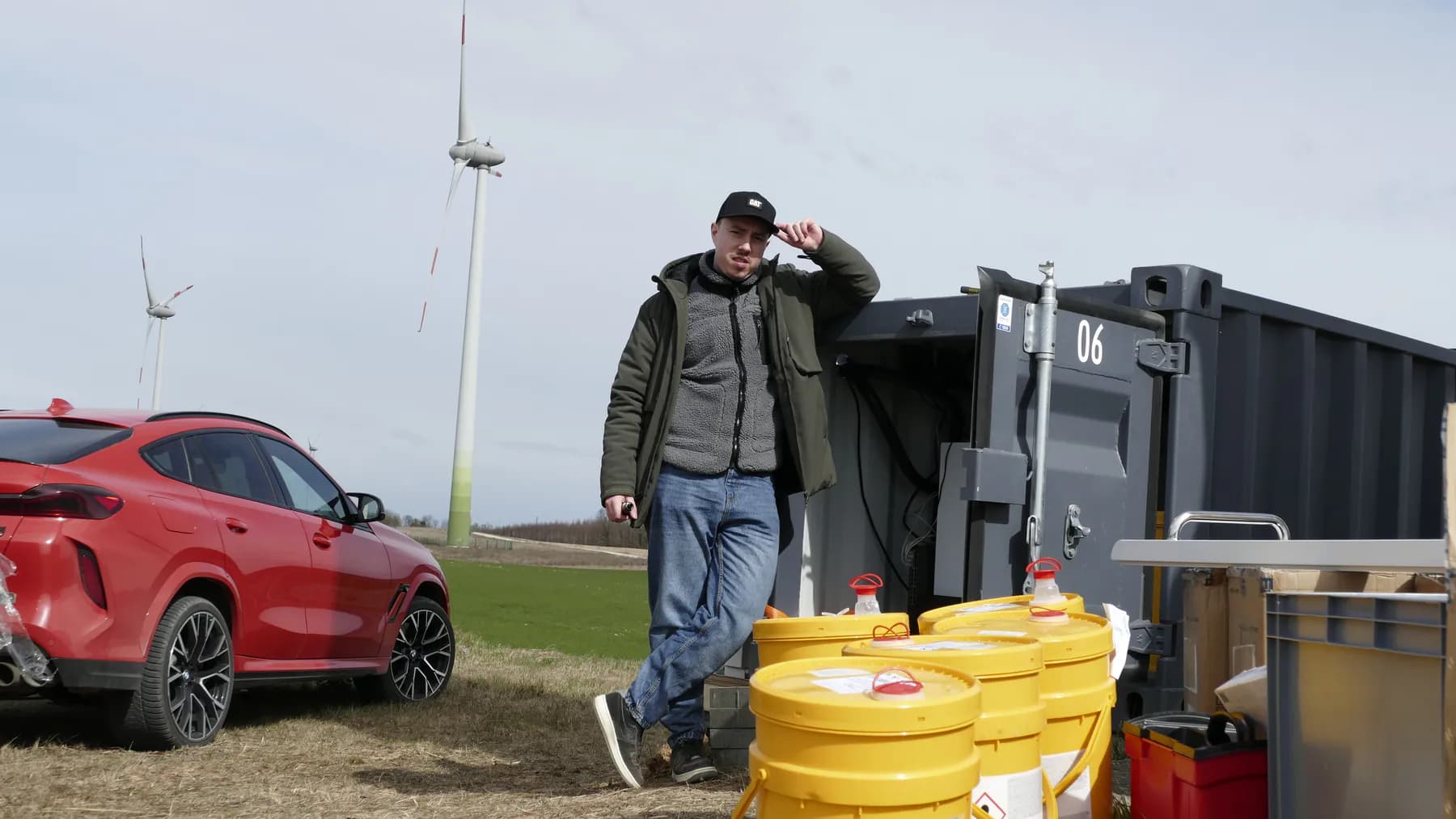
ForMiners helps wind operators and energy-intensive sites evaluate ASIC mining as a controllable load for electricity that is curtailed, intermittent or difficult to monetize.
- 01
Generation-led design
Miner capacity is sized around the site's real power profile and operating limits.
- 02
Flexible operation
Control assumptions can account for variable generation and planned shutdowns.
- 03
Site-specific scope
Electrical, cooling and service requirements depend on location and project requirements.
Lithuania field project
Mining Infrastructure Beside Wind Generation
A real ForMiners field example combining containerized equipment, cooling, on-site configuration and a serviceable operating layout. Commercial performance data is not published.
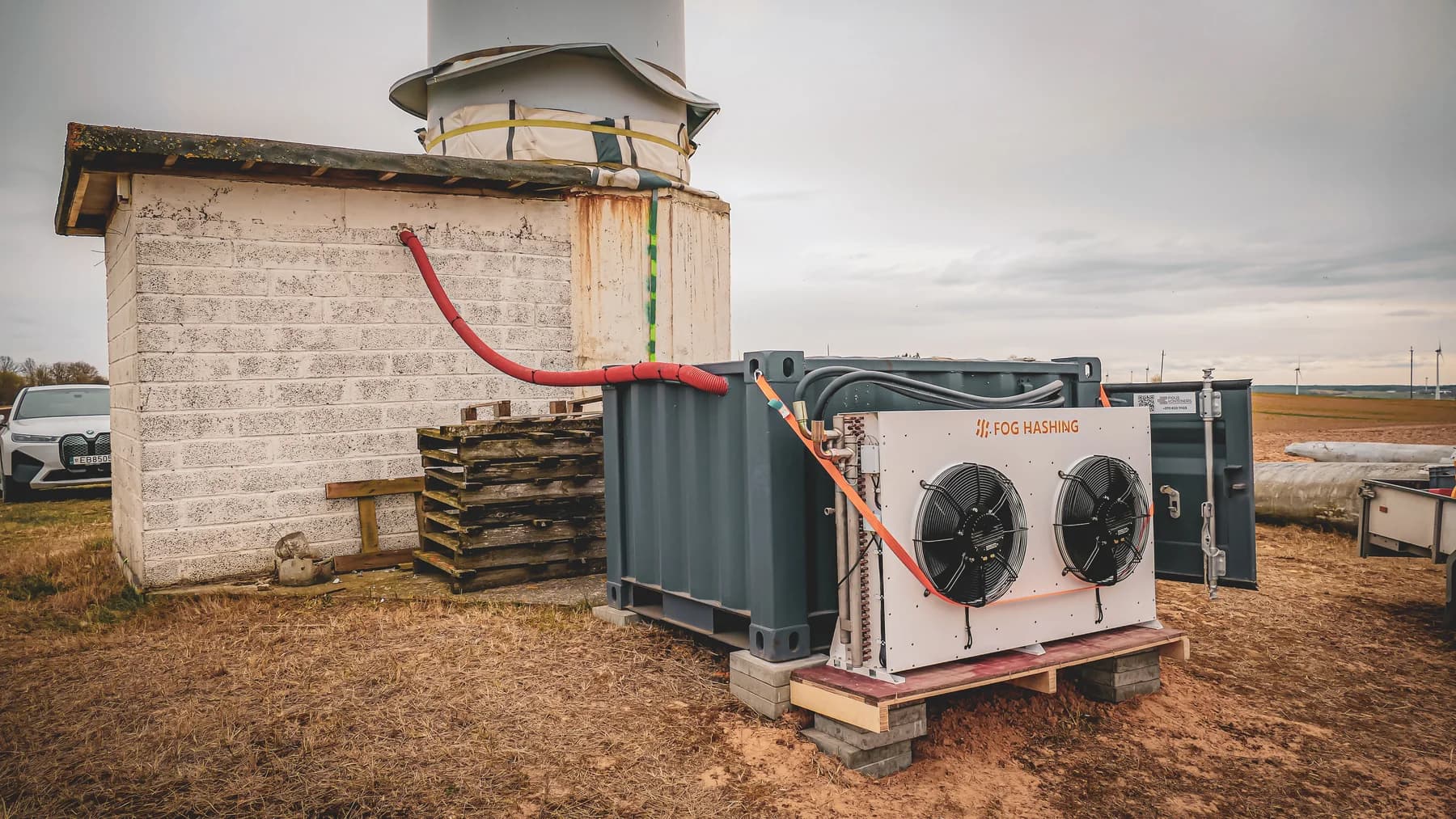
Lithuania wind-site integration
Container, thermal equipment and field commissioning shown in the actual project environment.
Site integration
Energy equipment and mining in one field plan
Container placement, electrical interfaces, cooling and service access were handled as one deployment scope.
Commissioning
Configuration completed on site
The team validated physical access, cooling connections and the operating setup before ongoing monitoring.
Flexible operation
Designed for an energy-site operating model
The example shows how mining can be treated as a controlled load without promising constant generation or fixed returns.
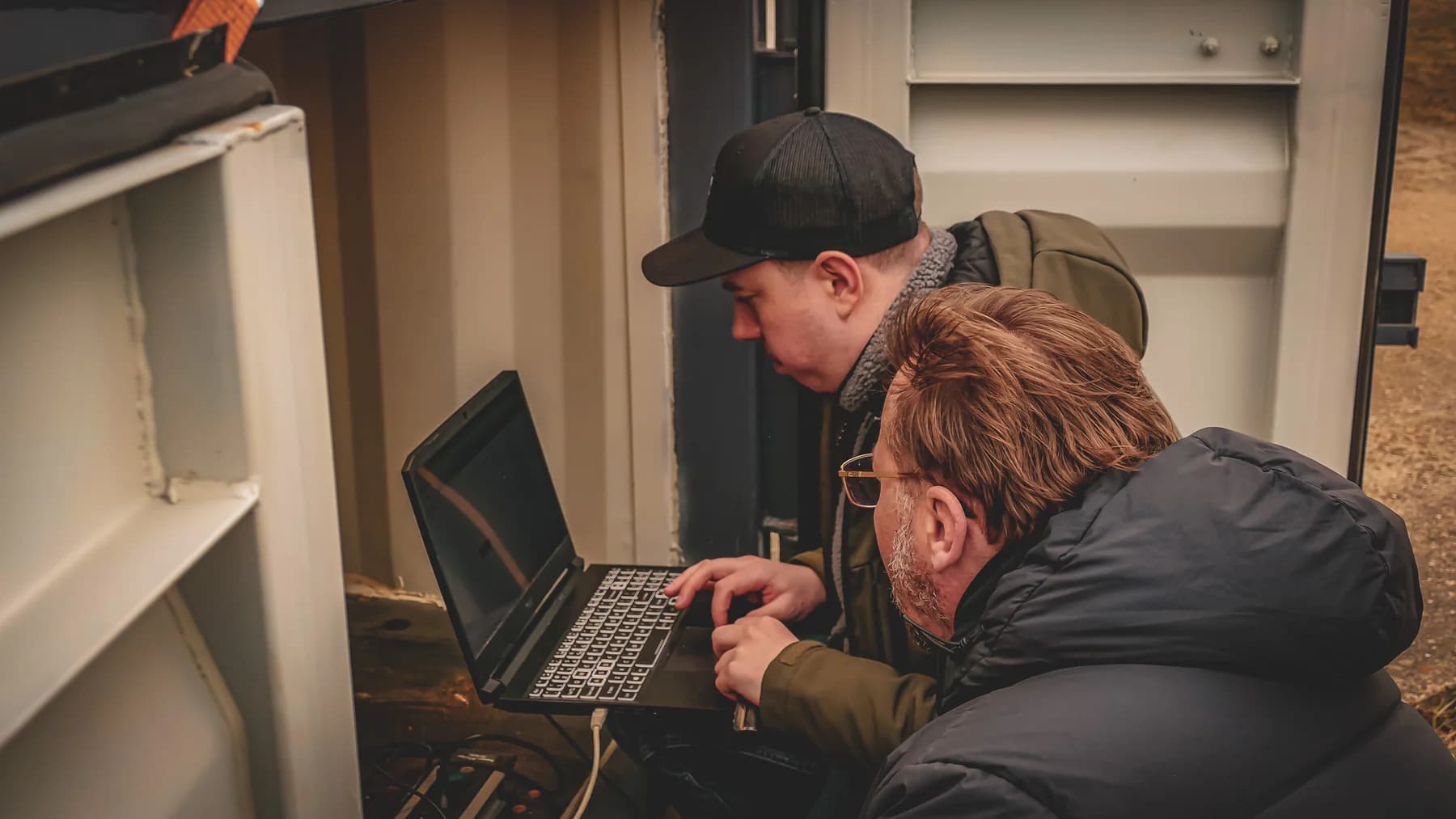
Field configuration and commissioning by the project team.
Who it is for
Match Flexible Mining Load To The Energy Site And Operating Team
The strongest project route is the one that matches both the operator and the constraints that can stop deployment.
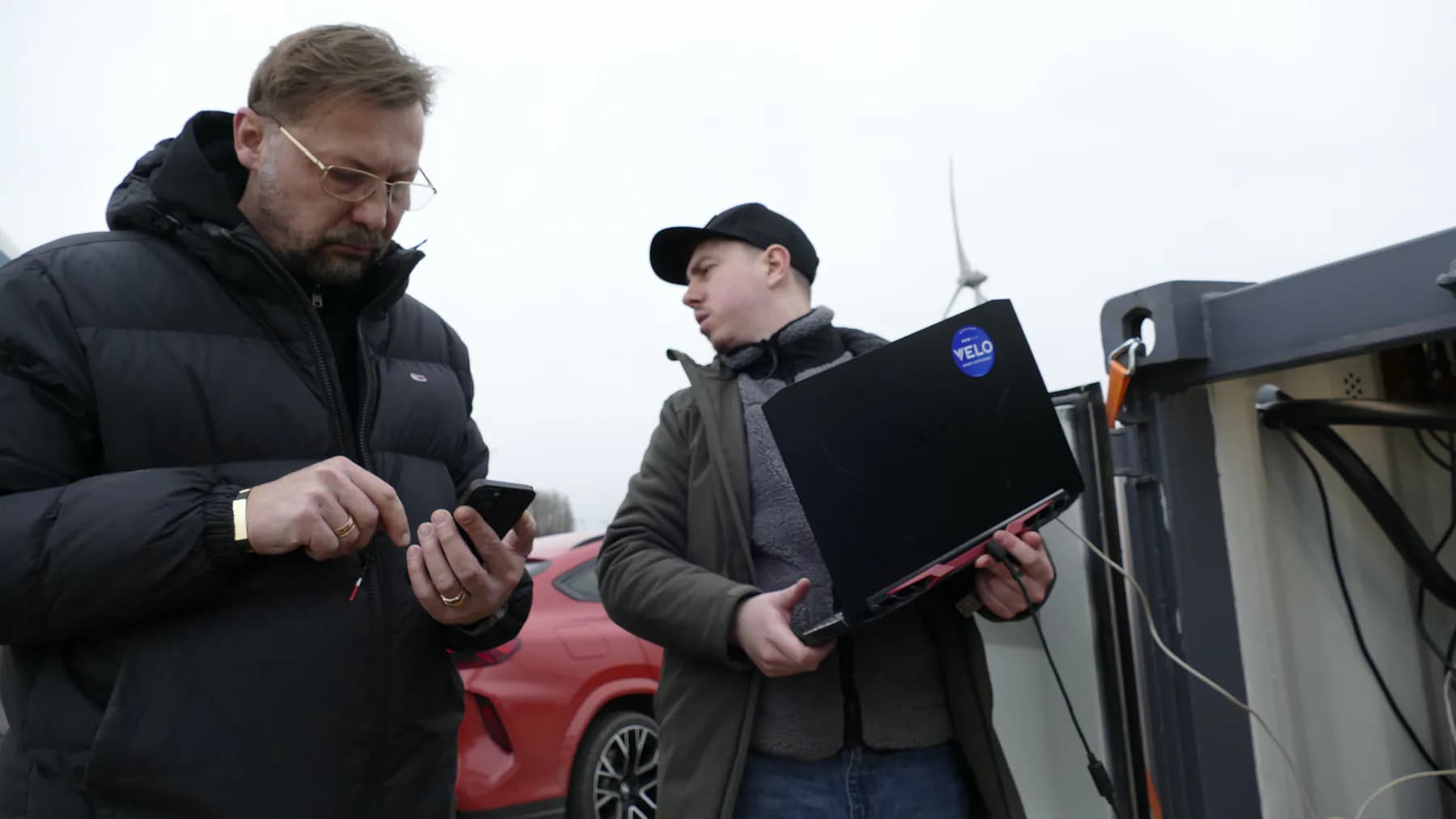
Field integration
Variable power still needs a serviceable operating system.
ForMiners coordinates flexible ASIC load, container or room infrastructure, communications and field service access around the actual generation site.
Wind asset owners
Operators evaluating productive load during constrained or low-value generation periods.
Industrial power sites
Facilities with intermittent, unused or contractually limited electrical capacity.
Energy developers
Teams comparing containerized mining with other flexible-load options.
Constraint to resolve
Curtailed output
Available generation may be limited by grid access, market pricing or local demand.
Constraint to resolve
Variable supply
ASIC capacity and operating rules must match changing power availability.
Constraint to resolve
Remote-site operation
Weather, access, communications and maintenance affect the practical design.
What is included
A Practical Route From Variable Generation To Managed ASIC Capacity
Generation windows, electrical interfaces and ongoing ownership are reviewed together before equipment is committed.
Generation profile review
We assess usable kW, operating windows, curtailment and grid constraints.
Generation windows modelled
Flexible load sizing
Miner count and control assumptions are matched to the available power profile.
Flexible capacity range selected
Infrastructure concept
Container, electrical distribution, cooling, connectivity and service access are scoped together.
Remote-site interfaces defined
Operating model
Monitoring and support responsibilities are defined before equipment is deployed.
Monitoring and service route agreed
Technical considerations
Technical Decisions Before A Commercial Commitment
The proposal becomes useful when the site, equipment and operating responsibilities are explicit.
Power variability
Start-stop behavior, minimum run windows and control limits affect hardware operation.
Grid and protection
Interconnection, switchgear and protection requirements must be agreed locally.
Remote conditions
Climate, communications, security and maintenance access shape the deployment.
Process
From Wind-Site Assessment To Supported Flexible Operation
- 1Project step
Assessment
We collect generation, curtailment, grid, climate and site-access information.
Generation and site limits mapped
- 2Project step
Planning
Mining load, controls, electrical works and cooling are modeled around realistic availability.
Infrastructure route selected
- 3Project step
Proposal
You receive a project scope with equipment and operating assumptions for review.
Scope and interfaces approved
- 4Project step
Deployment
Approved infrastructure and miners are installed according to the agreed site plan.
Field system commissioned
- 5Project step
Monitoring and support
Power availability, miner status and service requirements are reviewed during operation.
Operations monitored and supported
Deliverables
A Decision-Ready Project Package
The output gives the client, local contractors and the ForMiners team one practical basis for approval and deployment.
Flexible-load model
Generation windows, miner capacity and operating assumptions.
Ready for technical and commercial review
Infrastructure concept
Container or room layout, power, cooling and connectivity.
Ready for technical and commercial review
Operations plan
Controls, monitoring, maintenance and responsibility boundaries.
Ready for technical and commercial review
Calculator teaser
Size mining capacity around available power
Model a conservative flexible-load range around the site, not a guaranteed return.
Use the container sizing calculator to compare miner count, total load and cooling requirements.
Estimates support planning; final scope is confirmed during project review.
Project evidence
Commissioning At A Wind-Energy Site
Field photographs from Lithuania illustrate the practical layer between available energy, mining equipment, heat rejection and remote monitoring.
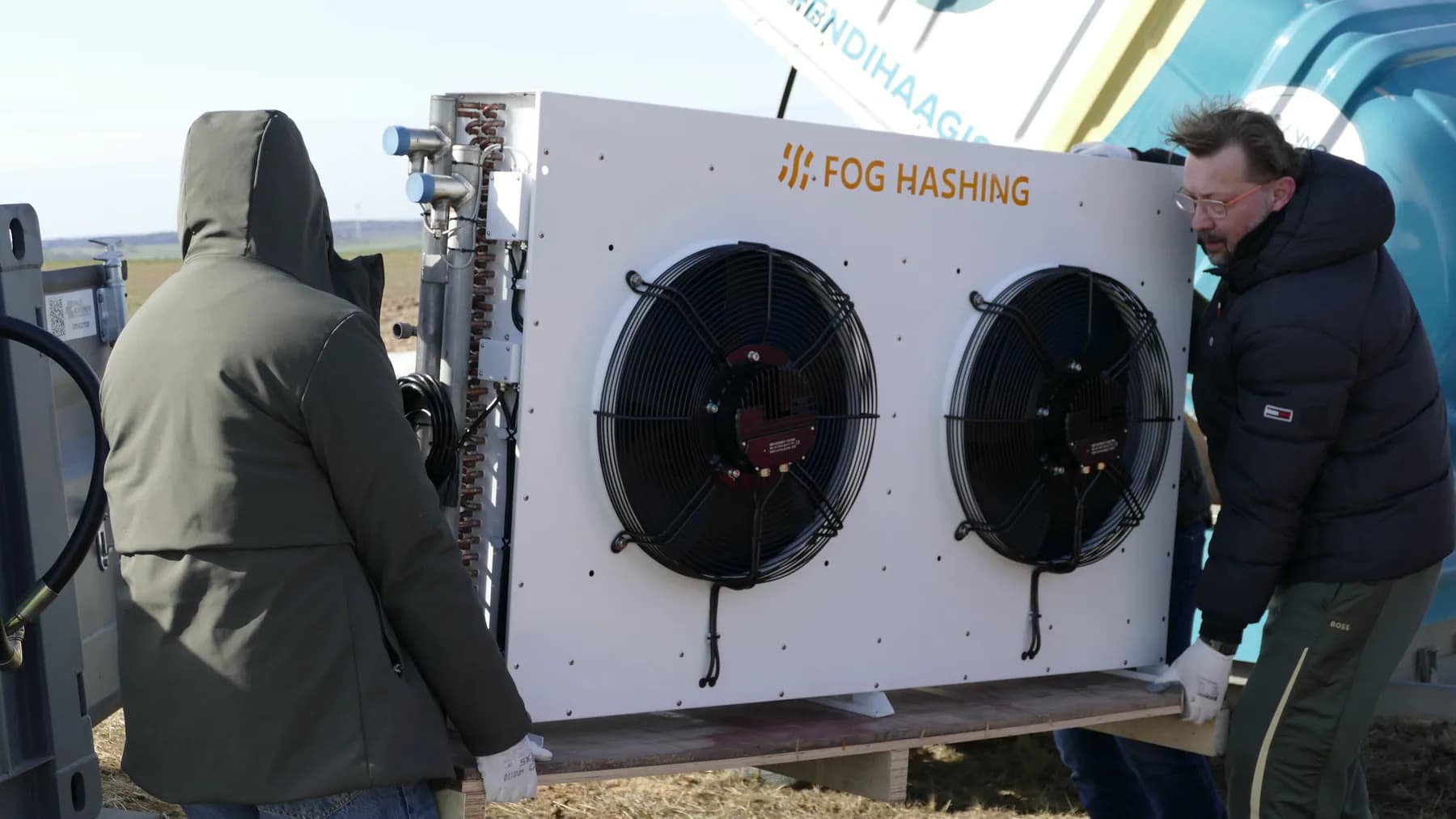
Mechanical commissioning
Cooling and heat rejection are commissioned around the actual site conditions.
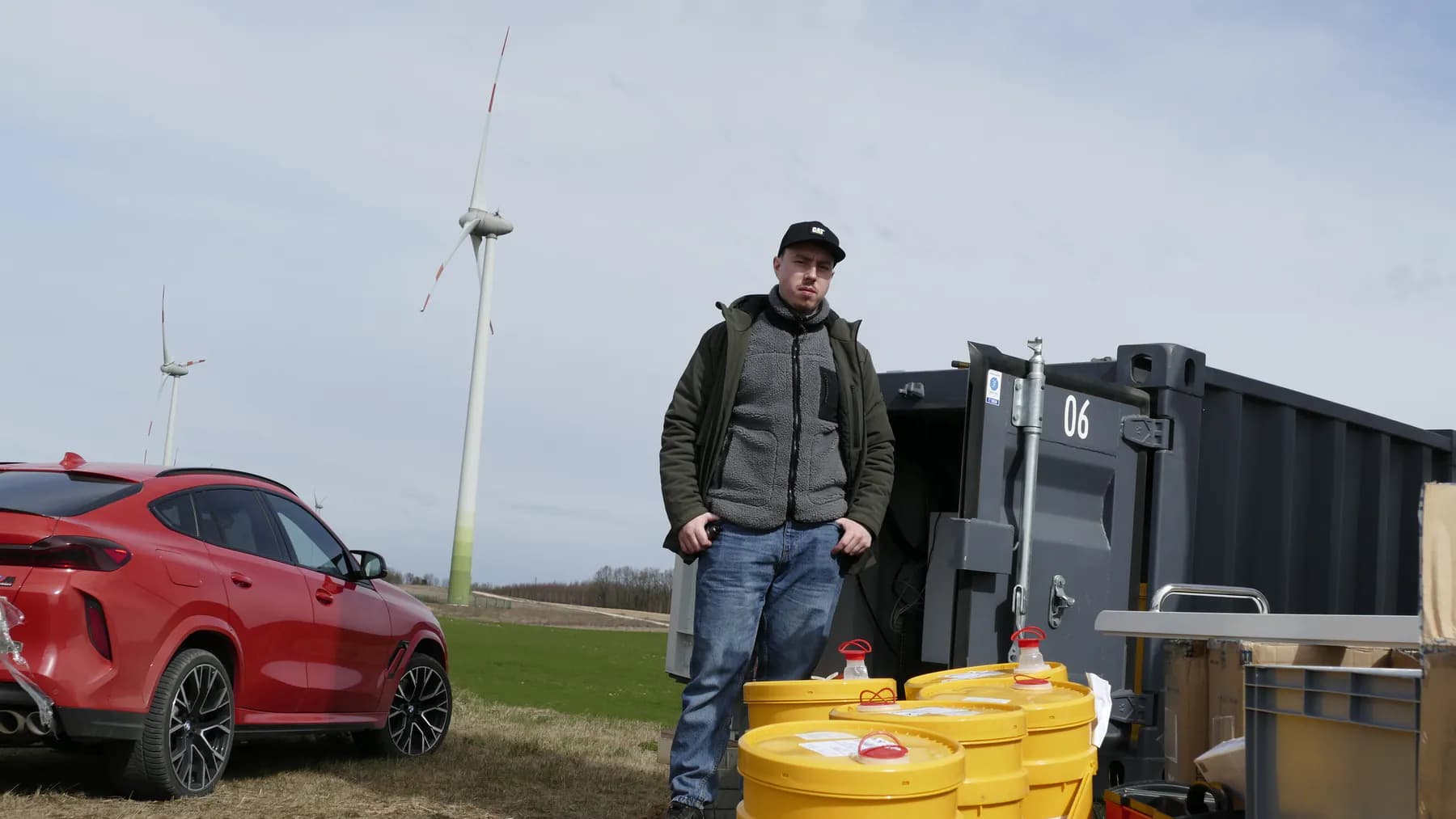
Energy-site integration
Mining can act as a controllable load when commercial and technical constraints align.
FAQ
Common questions
Can miners follow variable wind output?
Is a mining container required?
Do you guarantee better energy economics?
Project request