
ASIC Overclocking & Firmware Tuning
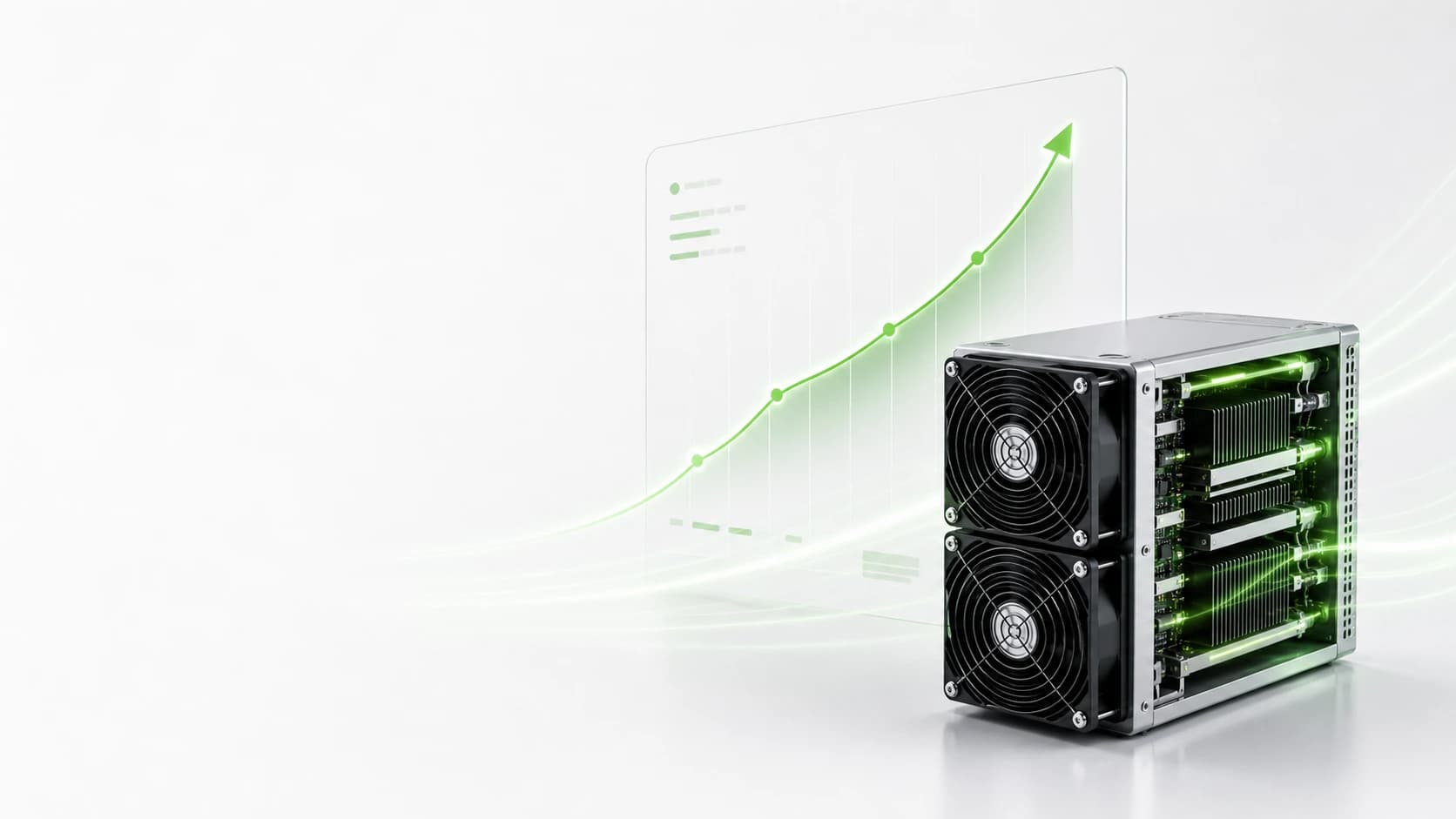
Risk-aware diagnostics, firmware support and profile tuning for efficiency, balanced operation, max hashrate and hosting-optimized setups.
- 01
Diagnostics first
Chip condition, cooling, PSU and warranty context are reviewed before changes.
- 02
Profile-based
Efficiency, balanced, max performance and hosting profiles are scoped carefully.
- 03
Bundle ready
Tuning can be paired with hosting, monitoring and support.
Who it is for
Choose The Operating Goal Without Hiding The Trade-Offs
The strongest project route is the one that matches both the operator and the constraints that can stop deployment.
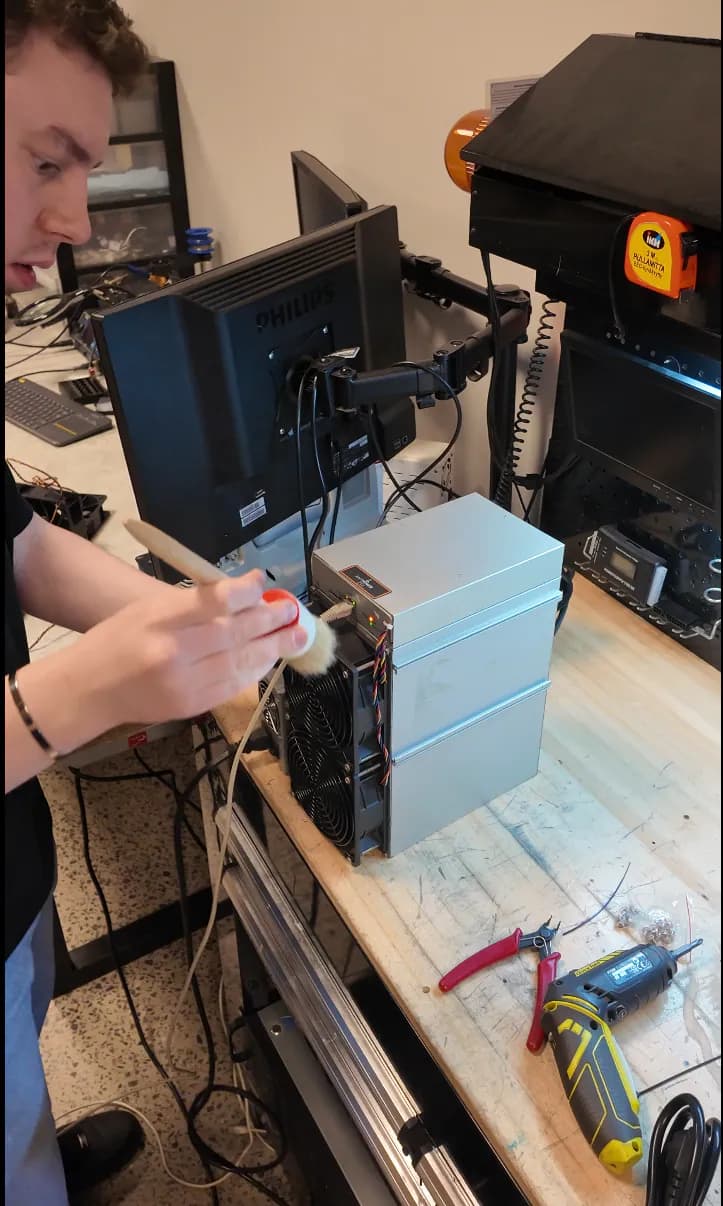
Hardware before firmware
A profile is only as safe as the ASIC, power and cooling behind it.
Chip errors, board condition, PSU headroom, temperature and warranty context are reviewed before efficiency, balanced or performance settings are proposed.
Hosted miners
Owners who want efficiency or stability improvements under monitored conditions.
Fleet operators
Teams standardizing profiles across batches while managing risk.
Heat reuse projects
Sites that may need a target heat output, lower power or quieter profile.
Constraint to resolve
Unsafe settings
Blind overclocking can increase temperature, instability and hardware stress.
Constraint to resolve
Poor efficiency
Factory settings may not match electricity price, cooling or uptime goals.
Constraint to resolve
Warranty uncertainty
Firmware changes can affect warranty and support paths.
What is included
A Measured Tuning Workflow, Not A One-Click Overclock
Each profile is selected against hardware condition, site rules and the monitoring available after installation.
Diagnostics before tuning
We review errors, boards, chips, fans, temperatures and power delivery.
Diagnostic baseline recorded
VNISH-style firmware support
Firmware eligibility and installation path are confirmed by model and condition.
Firmware eligibility confirmed
Profile selection
Efficiency, balanced, max hashrate or hosting-optimized settings are compared.
Profile and limits documented
Monitoring bundle
Tuning can be paired with hosting and monitoring to track stability.
Post-change stability reviewed
Efficiency profile
Reviewed outcome
Potential lower power draw with reviewed hashrate tradeoff
Balanced profile
Reviewed outcome
Potential moderate hashrate/power adjustment depending on diagnostics
Max hashrate profile
Reviewed outcome
Potential higher hashrate with more heat, power and risk
Hosting optimized
Reviewed outcome
Profile aligned to facility power, cooling and monitoring rules
Firmware tuning may affect warranty, stability, power draw, temperatures and hardware lifespan. No hashrate or profit outcome is guaranteed.
Technical considerations
Technical Decisions Before A Commercial Commitment
The proposal becomes useful when the site, equipment and operating responsibilities are explicit.
Hardware condition
Chip errors, board health, PSU capacity and cooling determine eligible settings.
Warranty and firmware
Firmware changes can affect manufacturer support and warranty status.
Operating environment
Power quality, temperature, airflow and monitoring affect stability and lifespan.
Process
From Diagnostic Baseline To Monitored Profile
- 1Project step
Assessment
Model, firmware, warranty context, logs and current performance are reviewed.
Hardware condition recorded
- 2Project step
Planning
Cooling, power quality and hardware condition define the eligible tuning profiles.
Eligible profiles compared
- 3Project step
Proposal
We document the recommended profile, risks, monitoring needs and service scope.
Risk and scope approved
- 4Project step
Deployment
An approved conservative profile is installed and tested before further changes are considered.
Conservative profile tested
- 5Project step
Monitoring and support
Temperatures, rejected shares, stability and power draw are reviewed after tuning.
Stability reviewed after tuning
Deliverables
A Decision-Ready Project Package
The output gives the client, local contractors and the ForMiners team one practical basis for approval and deployment.
Diagnostic summary
Current condition, constraints and observed performance.
Ready for technical and commercial review
Recommended profile
Efficiency, balanced, performance or hosting settings with risk notes.
Ready for technical and commercial review
Post-tuning review
Stability, temperature, power and monitoring observations.
Ready for technical and commercial review
Calculator teaser
Estimate tuning impact
Compare the possible hashrate, power and efficiency trade-off.
Use the overclocking impact calculator to compare potential hashrate, power and profitability differences.
Estimates support planning; final scope is confirmed during project review.
Workshop evidence
Diagnostics Before Repair Or Firmware Decisions
Hardware condition is inspected first. Repair, cleaning and tuning recommendations then follow the actual boards, cooling and operating history.
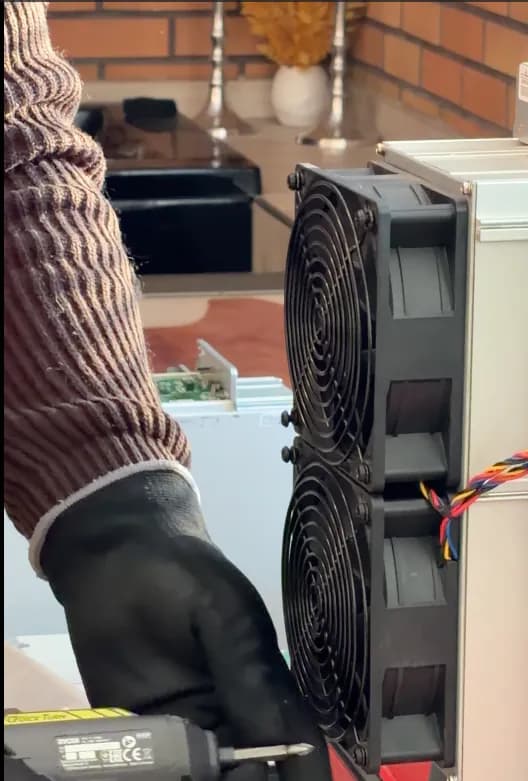
Board diagnostics
Fault isolation starts with the hardware rather than a promised performance profile.
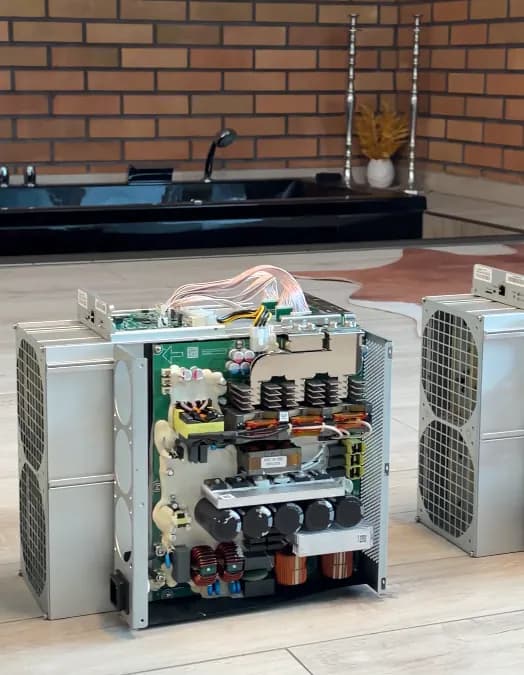
Internal inspection
Connectors, boards, cooling and contamination are reviewed before configuration changes.
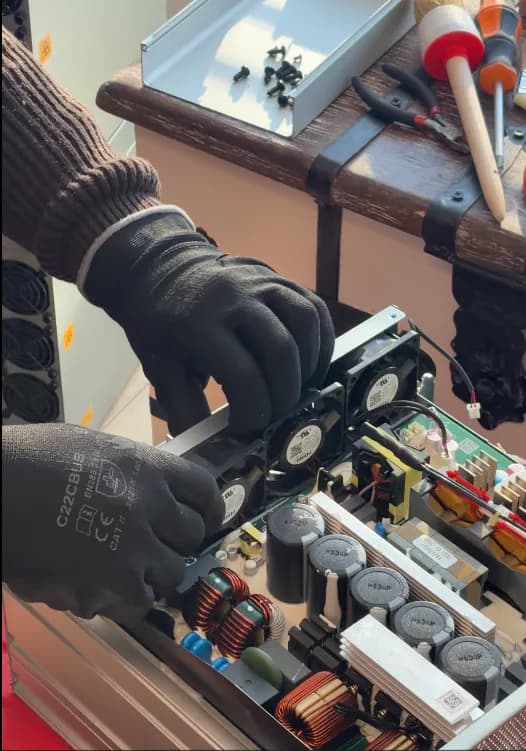
Bench service
Service access supports measured repair and component replacement.
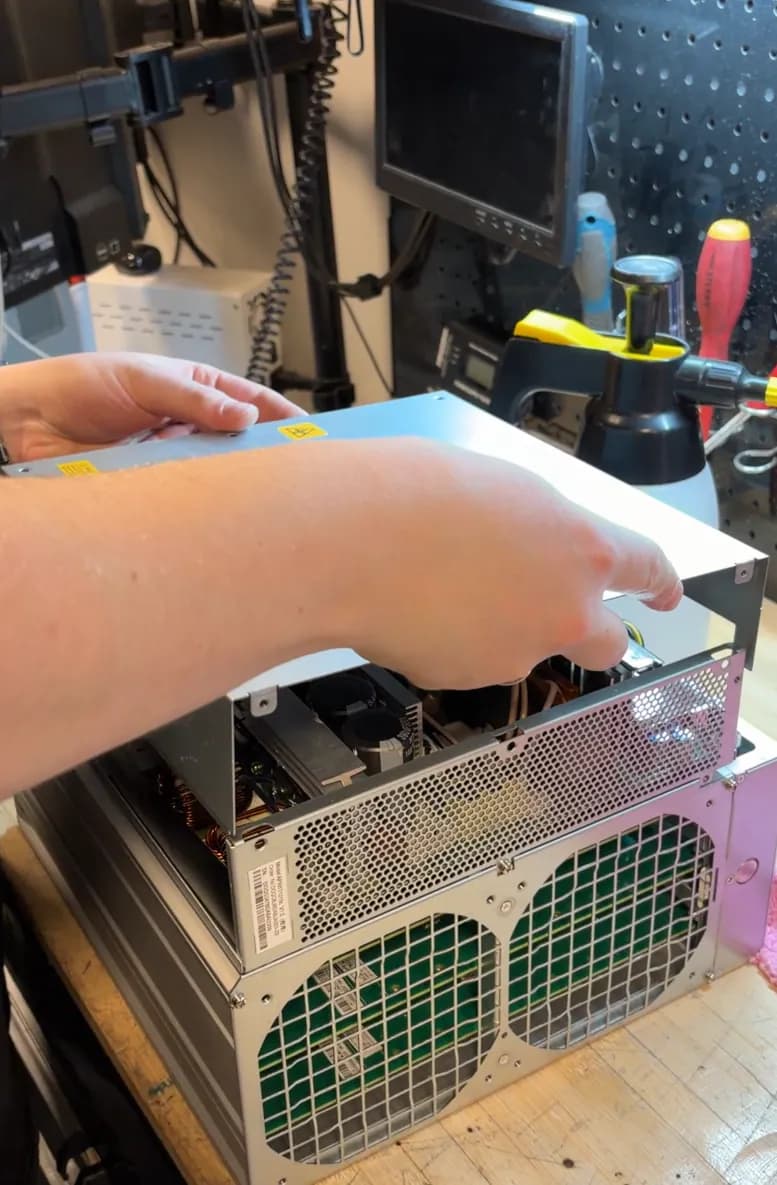
Condition review
Physical condition can limit safe overclocking or make an efficiency profile more appropriate.
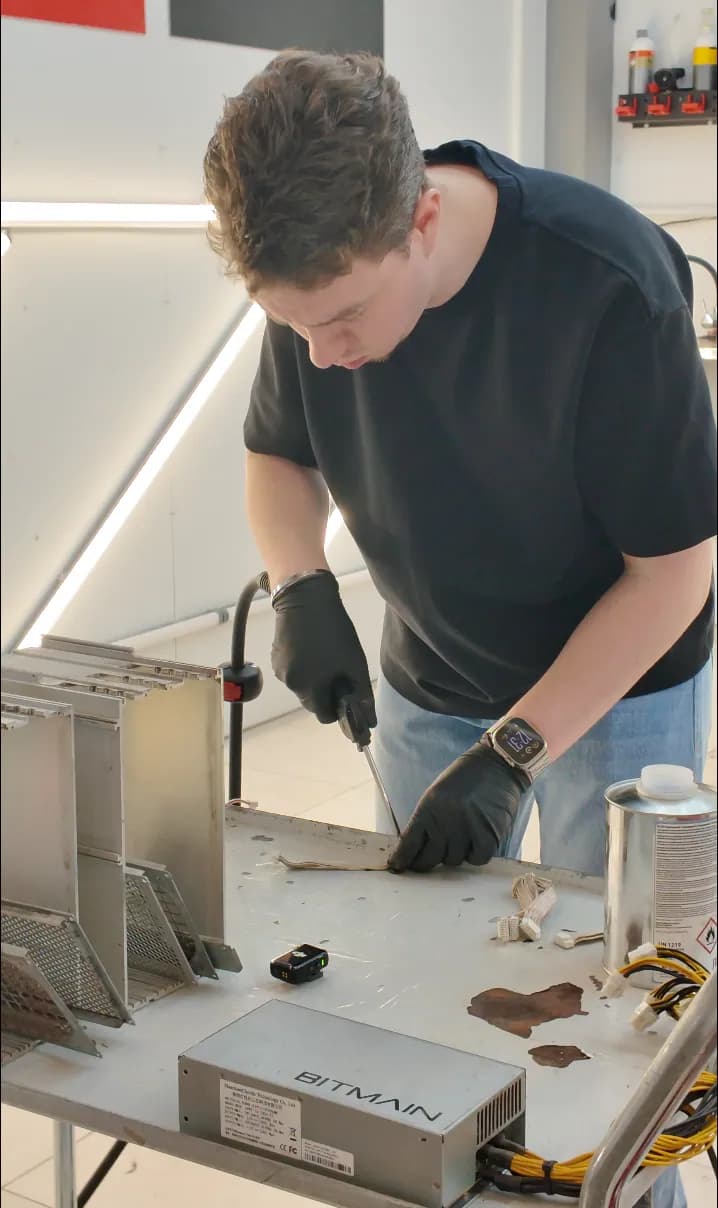
Cooling maintenance
Dust and airflow issues are addressed before thermal targets are changed.
Measured diagnostics
Logs and hardware behaviour inform the final recommendation.
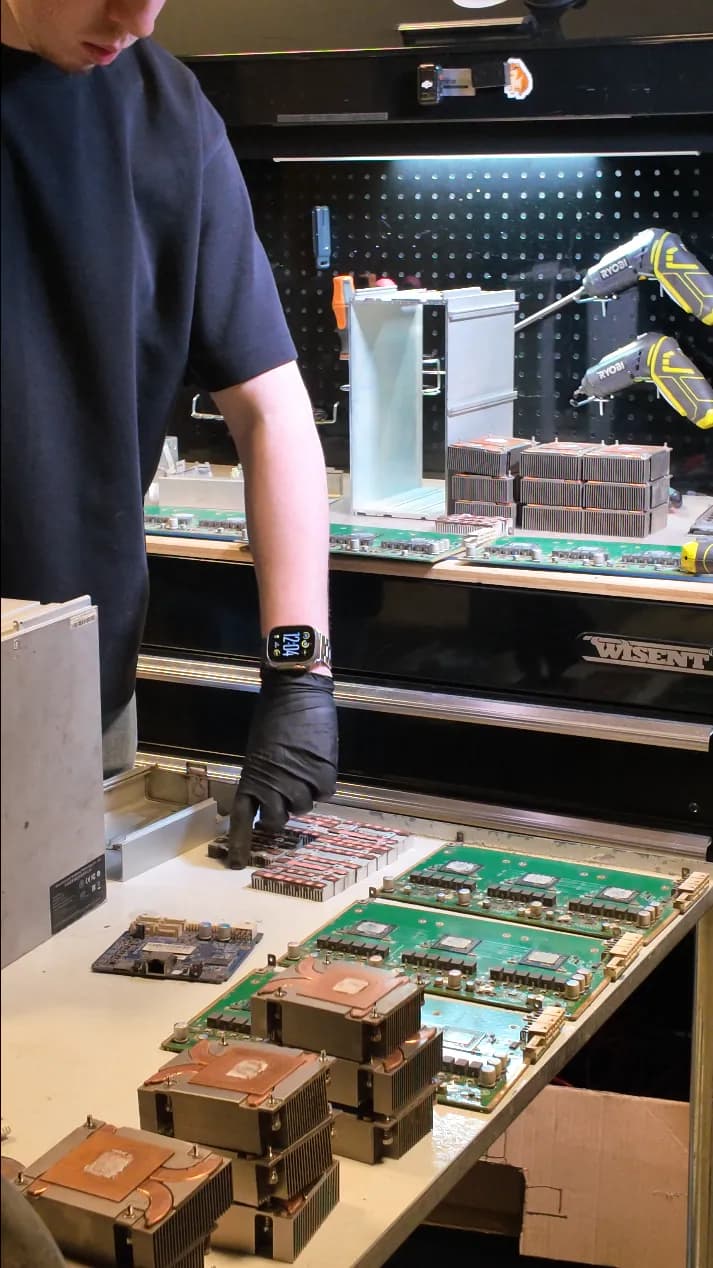
Hashboard service
Board-level issues are separated from firmware and facility causes.
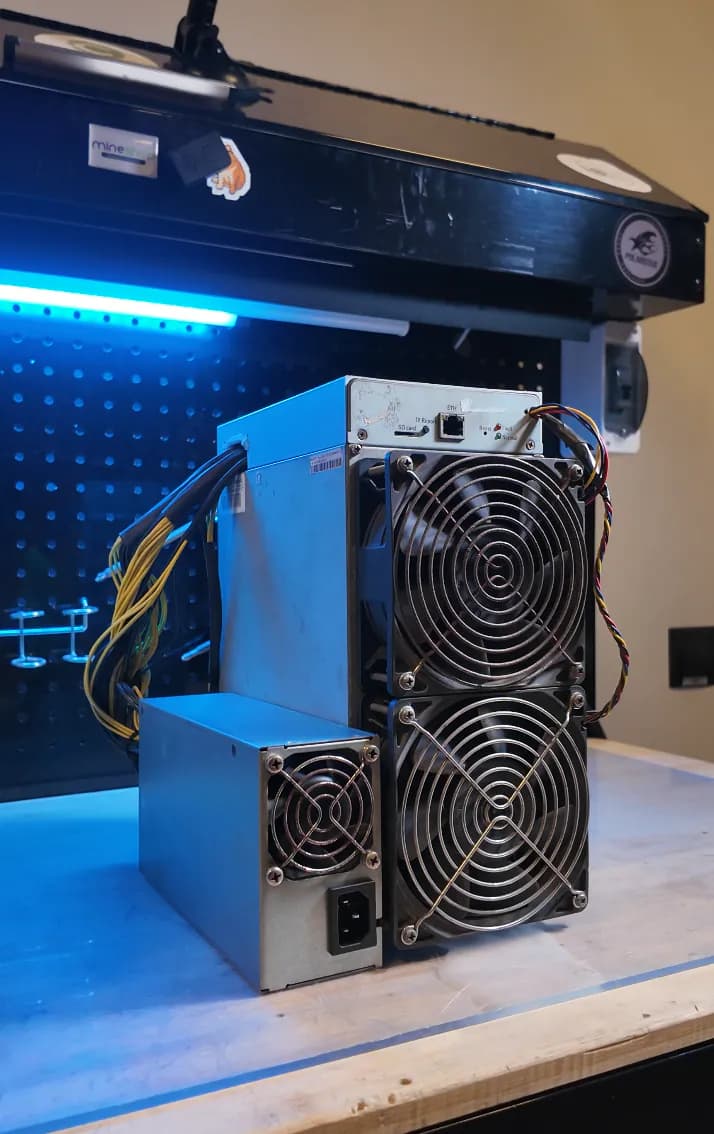
Model-specific service
Parts, firmware and thermal constraints vary by model and condition.
FAQ
Common questions
Do you guarantee higher hashrate?
Can tuning void warranty?
Can tuning reduce power use?
Project request