
Mining Heat ThatWorks For You
Turn one electrical load into two useful outputs: cryptocurrency production and recoverable heat. ForMiners plans the ASICs, heat-transfer route, controls and service access around the way your site actually uses energy.
Heat-first logic
Thermal demand is checked before miner count.
Air / hydro / immersion
System route depends on site constraints.
Safety and controls
Airflow, electrical load and monitoring are planned.
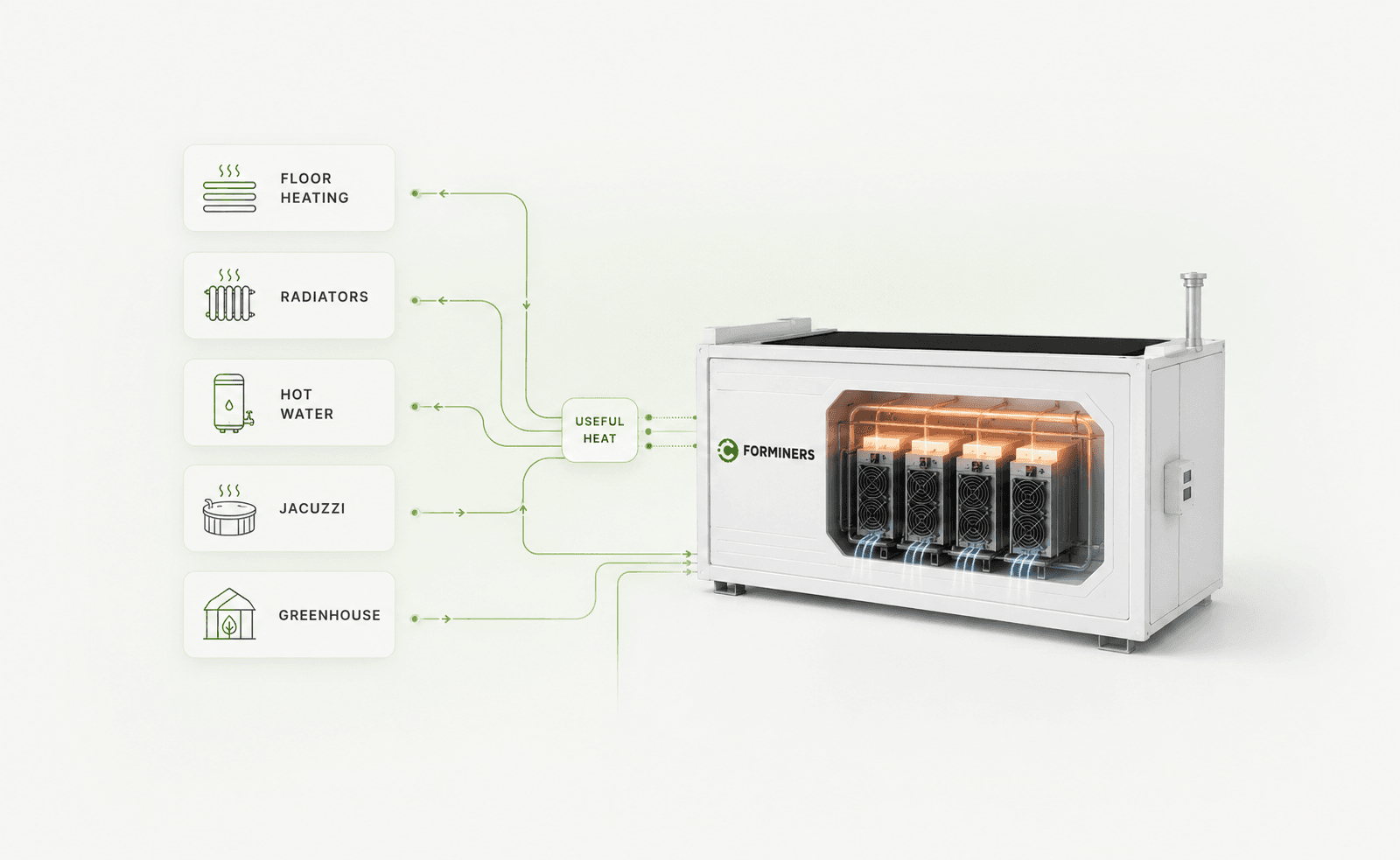
Integrated thermal load
Floor heat, radiators, hot water or greenhouse demand.
Final system fit depends on temperature, controls and useful operating hours.
Thermal rule
1 kW load -> about 1 kW heat
Best fit
Sites with real heat demand
System routes
Air, hydro or immersion-style
Planning focus
Safety, airflow and controls
Heating applications
Where ASIC Heat Can Become Useful
The right project starts with useful heat demand: a building, greenhouse or industrial site that can absorb thermal output safely and predictably.
 Quiet feasibility
Homes and offices
Compact mining heat concepts for rooms, offices or small buildings where airflow, noise and safety can be controlled.
 Baseload offset
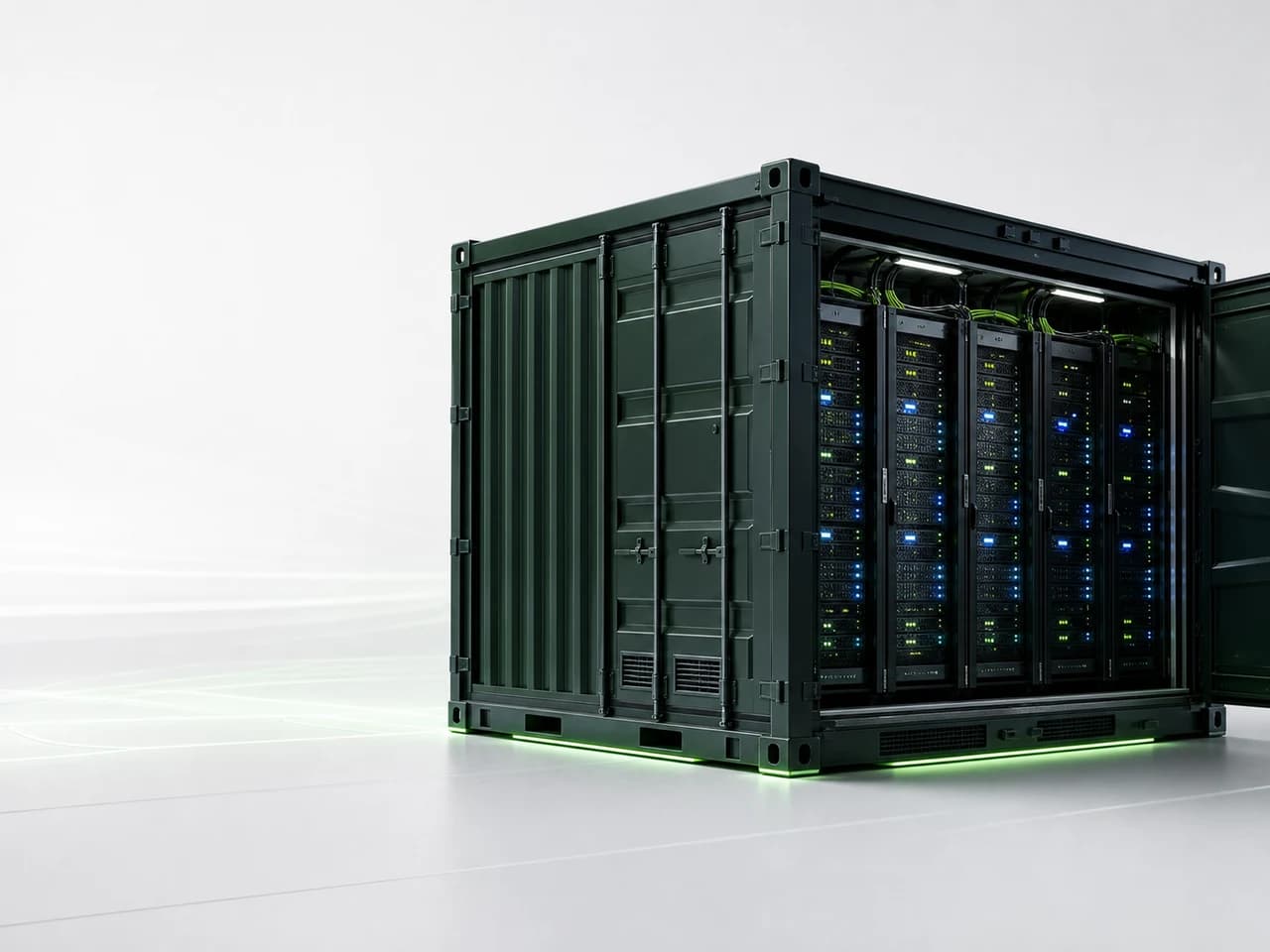
Warehouses
Use ASIC thermal output to offset baseline heating demand in larger open spaces during colder months.
 Grow environment
Greenhouses
Plan useful heat around humidity, crop requirements and controlled distribution for greenhouse or tulip sites.
 Process support
Industrial heat reuse
Integrate mining heat around existing electrical rooms, ventilation paths and industrial operating constraints.
Real equipment. Site-specific integration.
Built Around Hardware That Can Be Installed And Serviced
A heat-reuse project is more than a miner and a radiator. It needs thermal equipment, safe interfaces, commissioning access and a clear operating workflow.
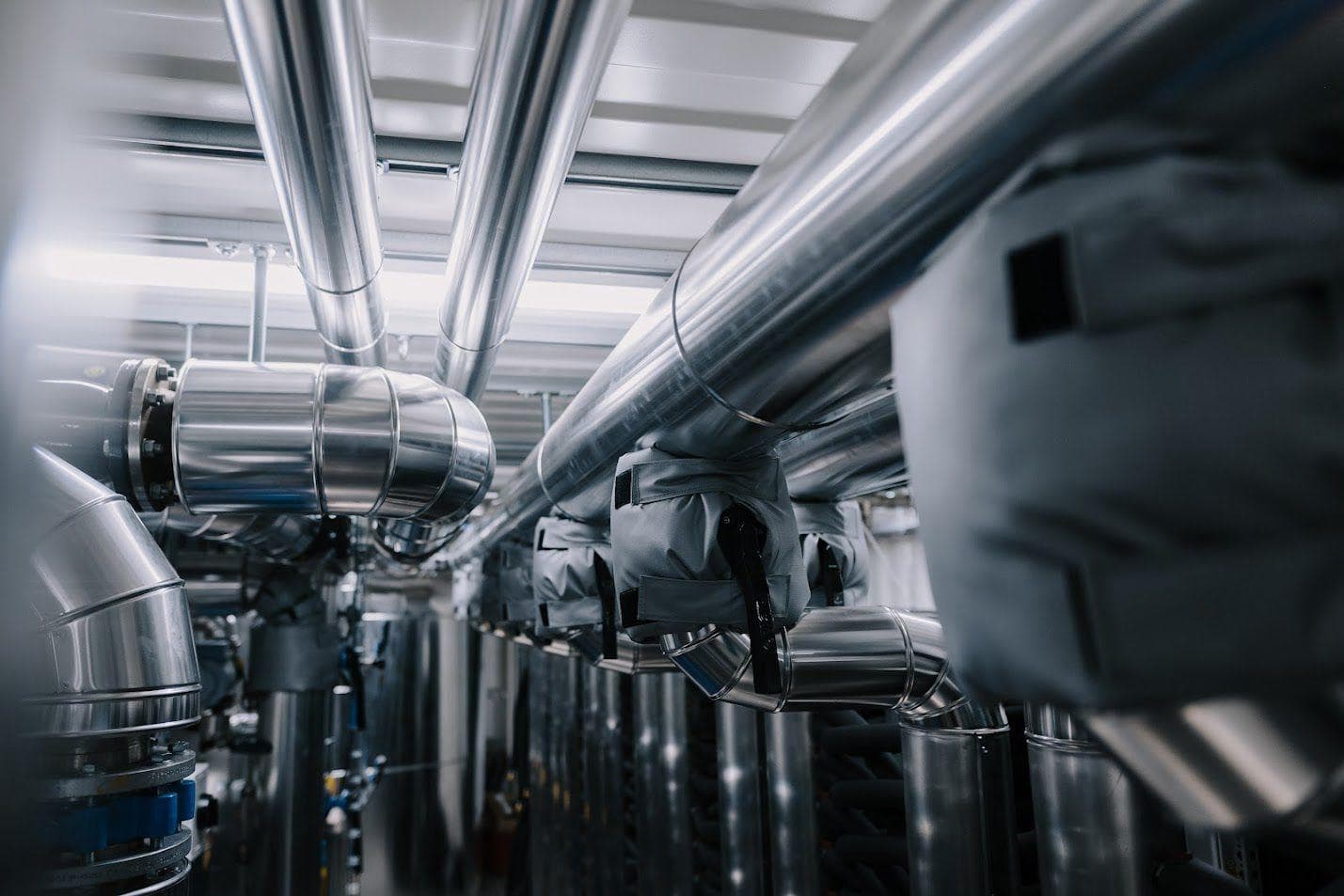
Pipework, thermal interfaces and service access are engineered as one operational system.
What ForMiners plans
A complete thermal path, not an isolated device.
We connect miner load, heat collection, the receiving system and operational monitoring before equipment is committed.
Source
Miner model, power draw and operating profile
Transfer
Air, hydro or immersion-style thermal route
Use
Building, water, warehouse or greenhouse demand
Control
Temperature, safety, monitoring and service access
System design
Air, Hydro Or Immersion-Style Heat Transfer
ForMiners compares the thermal route before hardware is deployed. The goal is useful heat, controlled operation and serviceable ASIC infrastructure.
Useful heat output
From ASIC load to heating loop.
Fastest concept
Air heat reuse
Duct or distribute warm exhaust air where noise, dust, filtration and safety are manageable.
Lower complexity
Strong ventilation planning
Best for warehouses and controlled rooms
Best fit
Open industrial spaces
Planning output
Airflow and ducting concept
Controlled transfer
Hydro / water loop
Use liquid heat transfer concepts where stable heat delivery and separation from occupied areas matter.
Cleaner heat movement
Useful for buildings
Requires plumbing and controls
Best fit
Buildings and water loops
Planning output
Hydraulic interface concept
Premium thermal design
Immersion-style systems
Evaluate immersion or sealed thermal systems for quieter, controlled installations with higher engineering needs.
Reduced direct fan noise
Better heat capture potential
Requires specialist maintenance
Best fit
Noise-sensitive projects
Planning output
Specialist thermal system scope
Economics
Know The Heat Value Before You Size The Mine
A useful project model separates mining revenue from heating offset, then shows how electricity price, operating hours and seasonal heat demand change the result.
One input. Two useful outputs.
See the mining case and the heat case together.
Electricity powers the ASIC. The same load produces hashrate and thermal output, but only useful heat demand creates a recoverable heating value.
Electrical input
Miner power x operating hours
Value stream 01
Mining revenue estimate
Value stream 02
Recoverable heat offset
Sizing principle
Useful heat demand sets the practical miner count, not the other way around.
Project inputs
Model the site before equipment is selected.
Electricity
Price and usable capacity
Thermal demand
Season, hours and temperature
ASIC operation
Model, quantity and uptime
Heat baseline
Current heating cost and system
Your planning output
Recommended miner count
Heat-transfer route
Scenario comparison
Estimates depend on electricity price, miner performance, operating hours, market conditions, heat demand and how much thermal output the site can actually use.
ASIC models
ASICs To Evaluate For Heating Projects
Final model selection depends on power, heat target, noise, cooling route, service access and confirmed product availability.
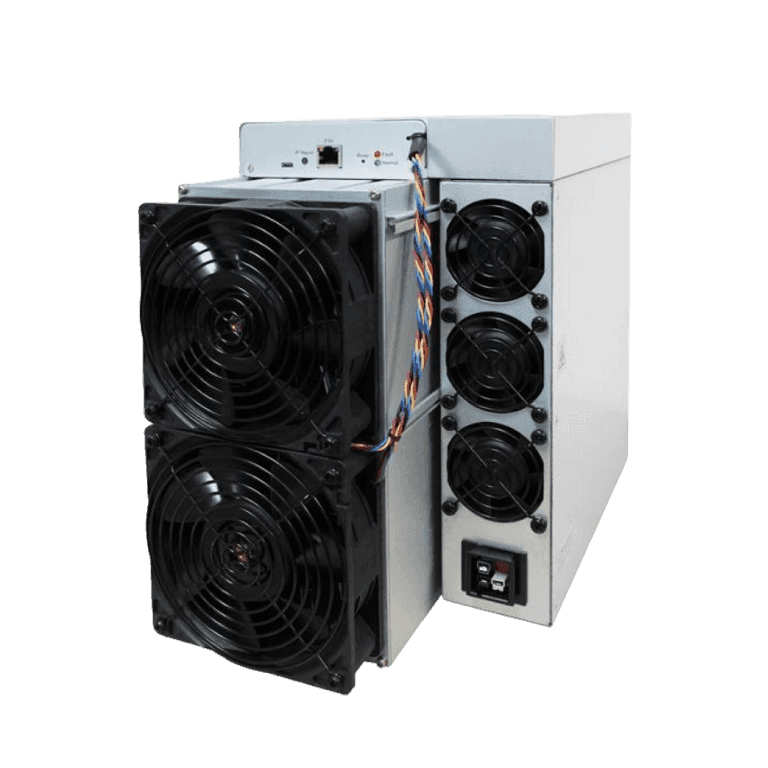
Scrypt
Bitmain Antminer L11 Pro 21 GH/s
Power
3,612 W
Noise
75 dB
Cooling
air
Project fit
Higher-load building or industrial concept
€6,250
View miner details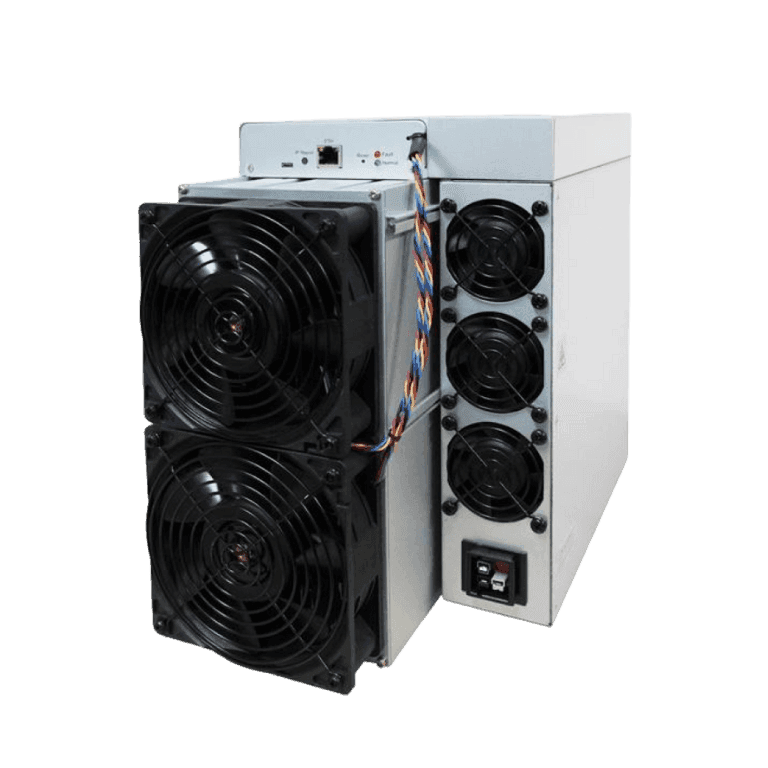
Scrypt
Bitmain Antminer L9 17 GH/s
Power
3,360 W
Noise
75 dB
Cooling
air
Project fit
Moderate-load pilot or zoned heating concept
€2,849.05
View miner details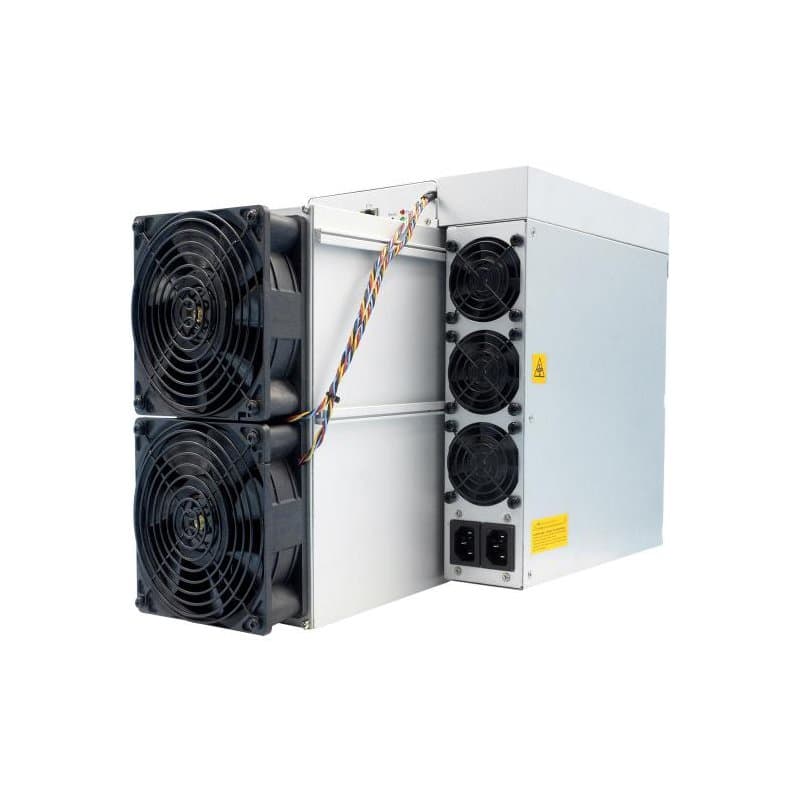
Equihash
Bitmain Antminer Z15 Pro 840 KSol/s
Power
2,650 W
Noise
75 dB
Cooling
air
Project fit
Moderate-load pilot or zoned heating concept
€7,409.88
View miner details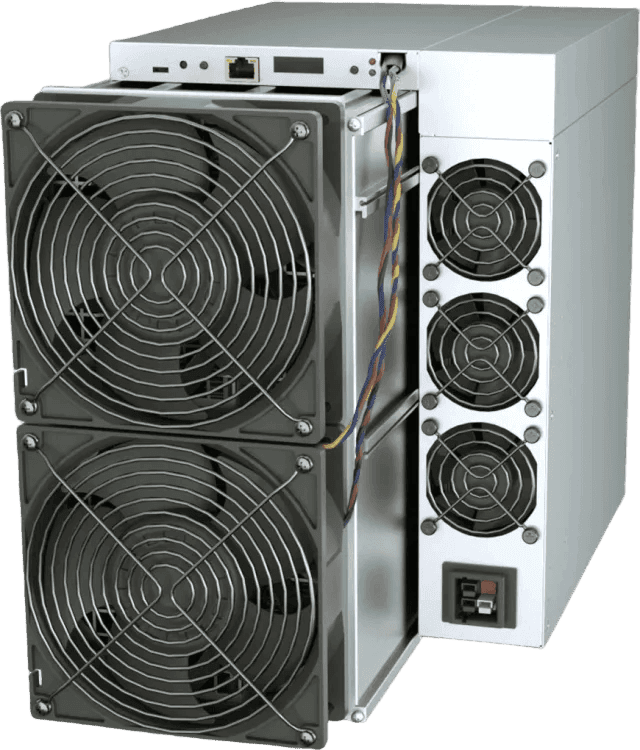
SHA-256
Bitmain Antminer S21 XP 270 TH/s
Power
3,645 W
Noise
75 dB
Cooling
air
Project fit
Higher-load building or industrial concept
€3,324.88
View miner detailsApproximate thermal load is based on electrical power draw before heat-transfer losses. Final usable heat depends on the system route and operating conditions.
Process
From Heat Demand To Running ASICs
- 1Project gate
Assessment
We identify useful heat demand, available power, operating seasons and site constraints.
Decision output
Useful heat demand and constraints mapped
- 2Project gate
Planning
Electrical load, airflow or liquid-loop requirements, noise and service access are checked.
Decision output
Electrical and thermal route selected
- 3Project gate
Proposal
The recommended miner, heat-transfer concept and operating assumptions are documented.
Decision output
Equipment, interfaces and assumptions documented
- 4Project gate
Deployment
Approved equipment, controls and heat distribution are installed and commissioned.
Decision output
System commissioned against the approved scope
- 5Project gate
Monitoring and support
Temperature, miner health and useful heat output are reviewed during operation.
Decision output
Miner health and useful heat remain visible
Start with the site, not a miner count
Share the heat demand, available power and existing heating system.
We will identify the practical next step before equipment is selected.
Technical considerations
Three Design Gates Before Hardware Is Committed
A viable heating project must pass the thermal, site and operating checks together. Solving only one of them is not enough.
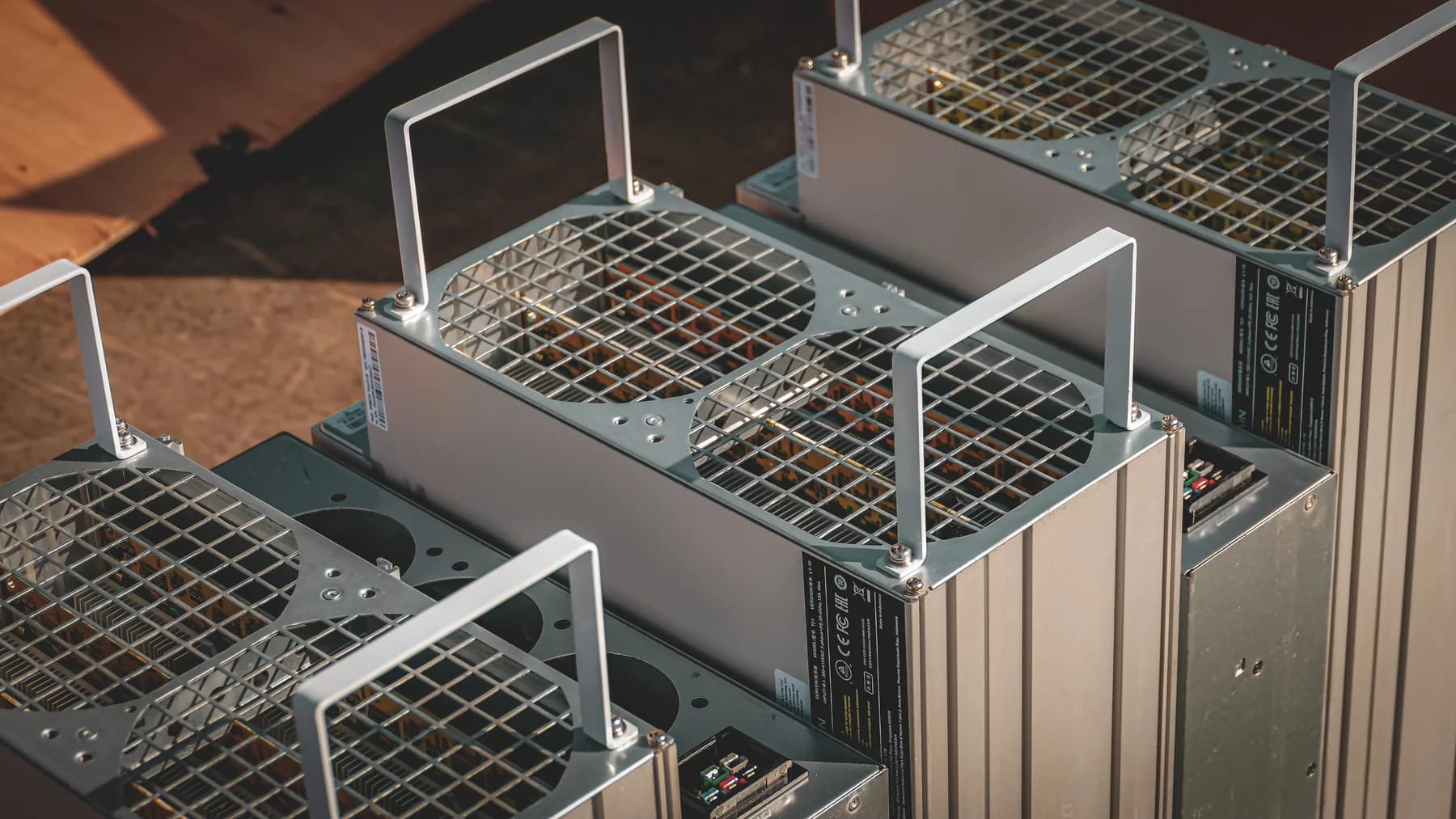
Commitment point
The system is selected only after the site can use the heat safely.
Miner availability comes after the heat path, electrical fit and service model are understood.
Design gate
Useful heat demand
The building must have a practical thermal load during planned miner operating hours.
Design gate
Heat transfer and safety
Air, hydro or immersion-style systems require appropriate electrical, mechanical and control design.
Design gate
Noise and maintenance
Placement, acoustics, filtration and service access affect the suitable system route.
Deliverables
A Clear Project Package Before Deployment
The output is a practical basis for a commercial and technical decision, not a generic heating promise.
Heat and power model
Miner load, useful heat output and operating assumptions are documented separately.
Ready for quote and implementation review
System concept
Recommended heat-transfer route, equipment and site interfaces.
Ready for quote and implementation review
Controls and support plan
Temperature, miner health, safety monitoring and service responsibilities.
Ready for quote and implementation review
Related services
Continue planning your project
FAQ
Common questions
Can ASICs replace my full heating system?
Is hydro or immersion required?
Does heating improve profitability?
Heating hardware in practice
From ASIC Load To A Useful Heating Circuit
Real equipment photographs make the engineering requirement clear: useful heat needs a controlled transfer path, storage or distribution and safe service access.
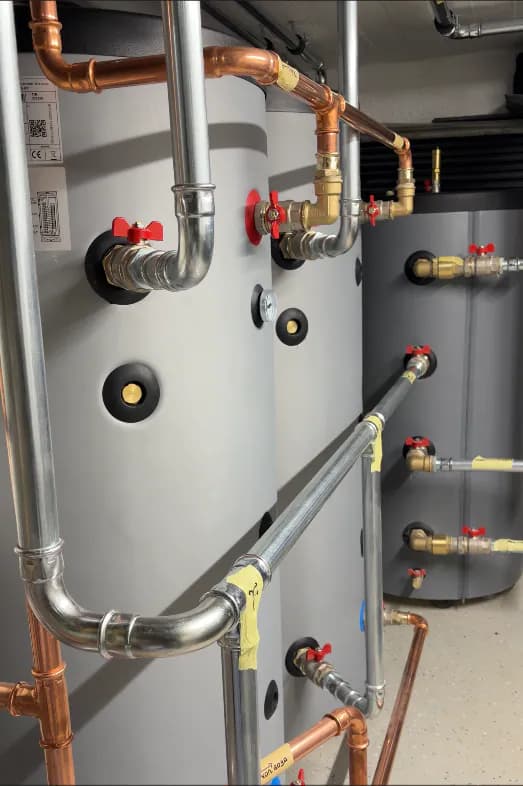
Heat storage and distribution
The useful side of the project is planned around the building load, not only miner output.
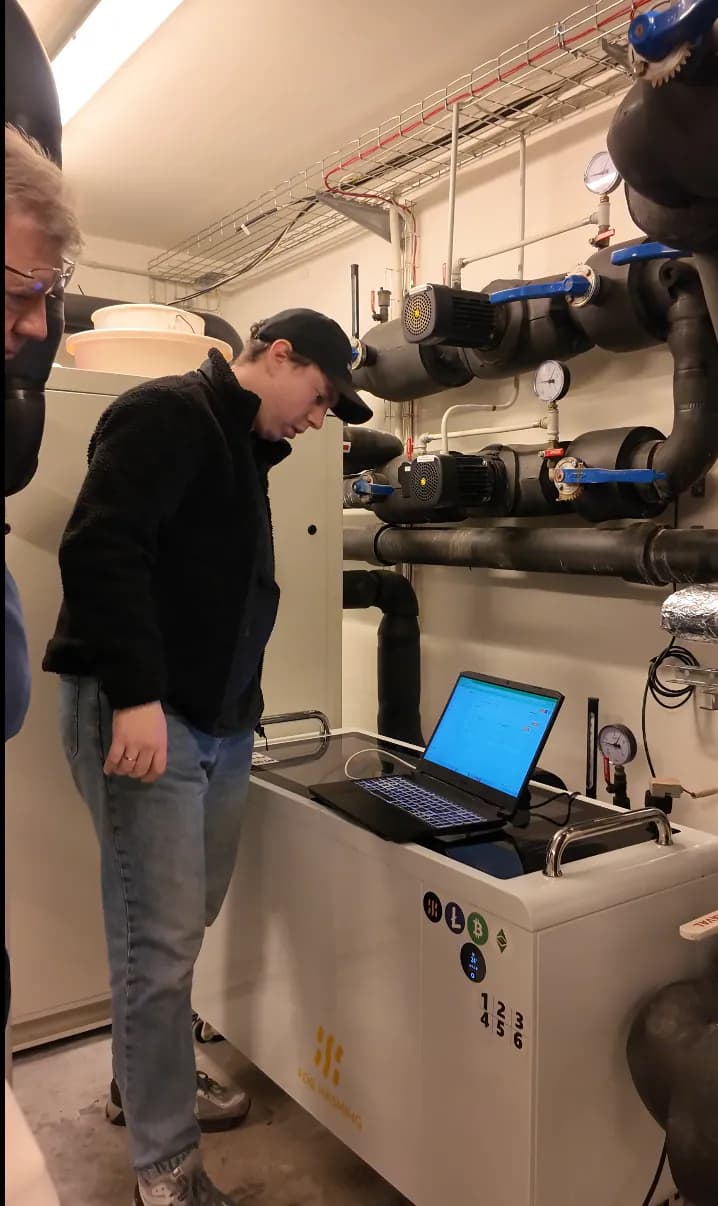
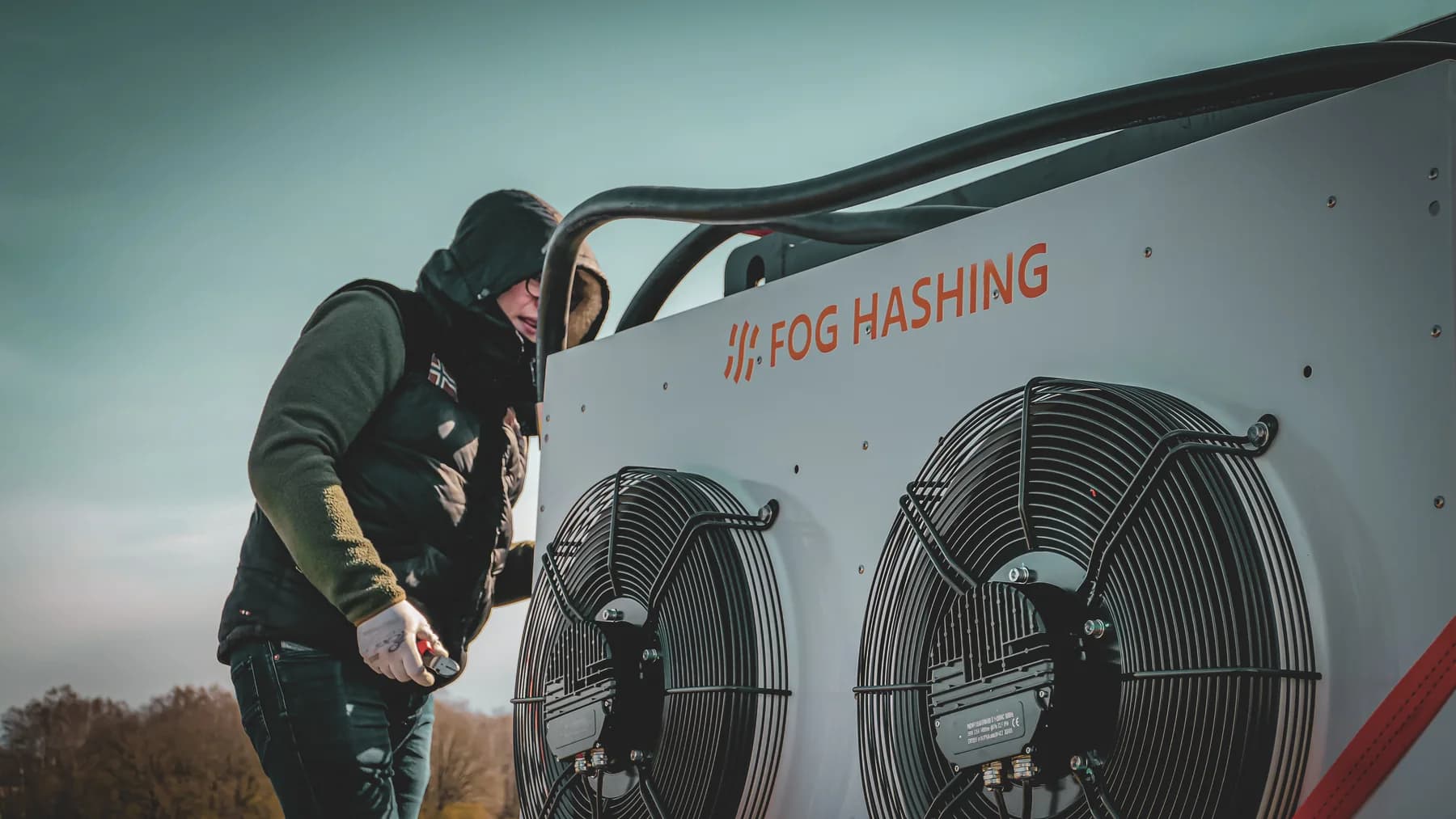
Compact immersion route
A liquid loop can separate miner operation from occupied spaces when the site supports it.
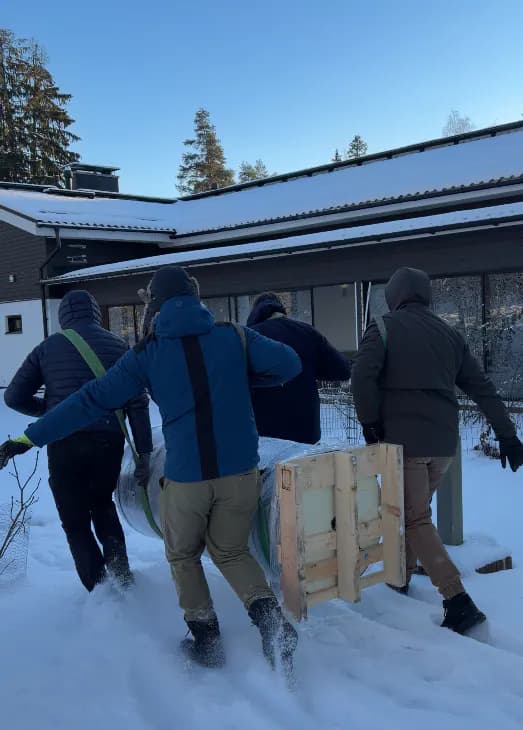
Seasonal deployment
Cold-season demand, placement and commissioning are reviewed before equipment arrives.
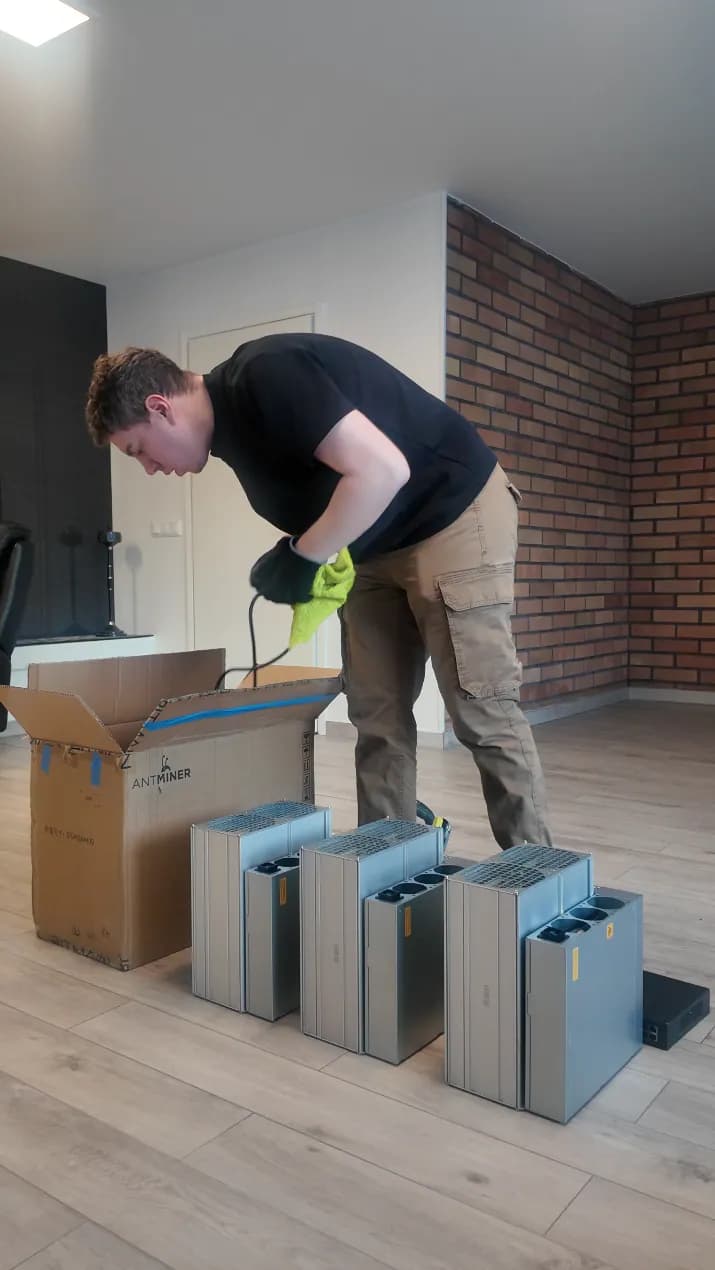
On-site installation
Electrical, hydraulic and monitoring work must come together in one commissioning plan.
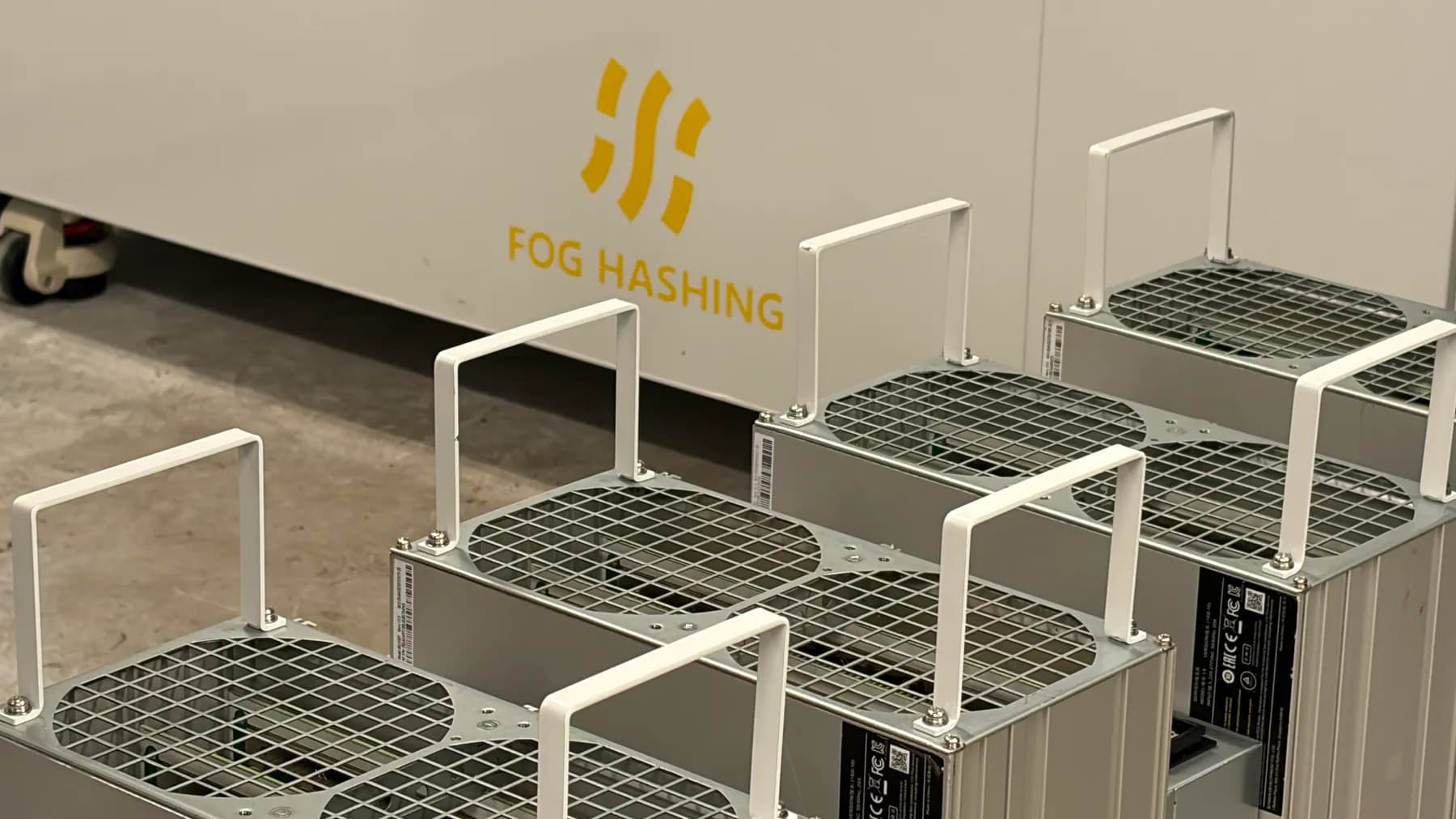
Liquid-cooled equipment
System sizing depends on miner load, heat exchanger capacity and useful demand.
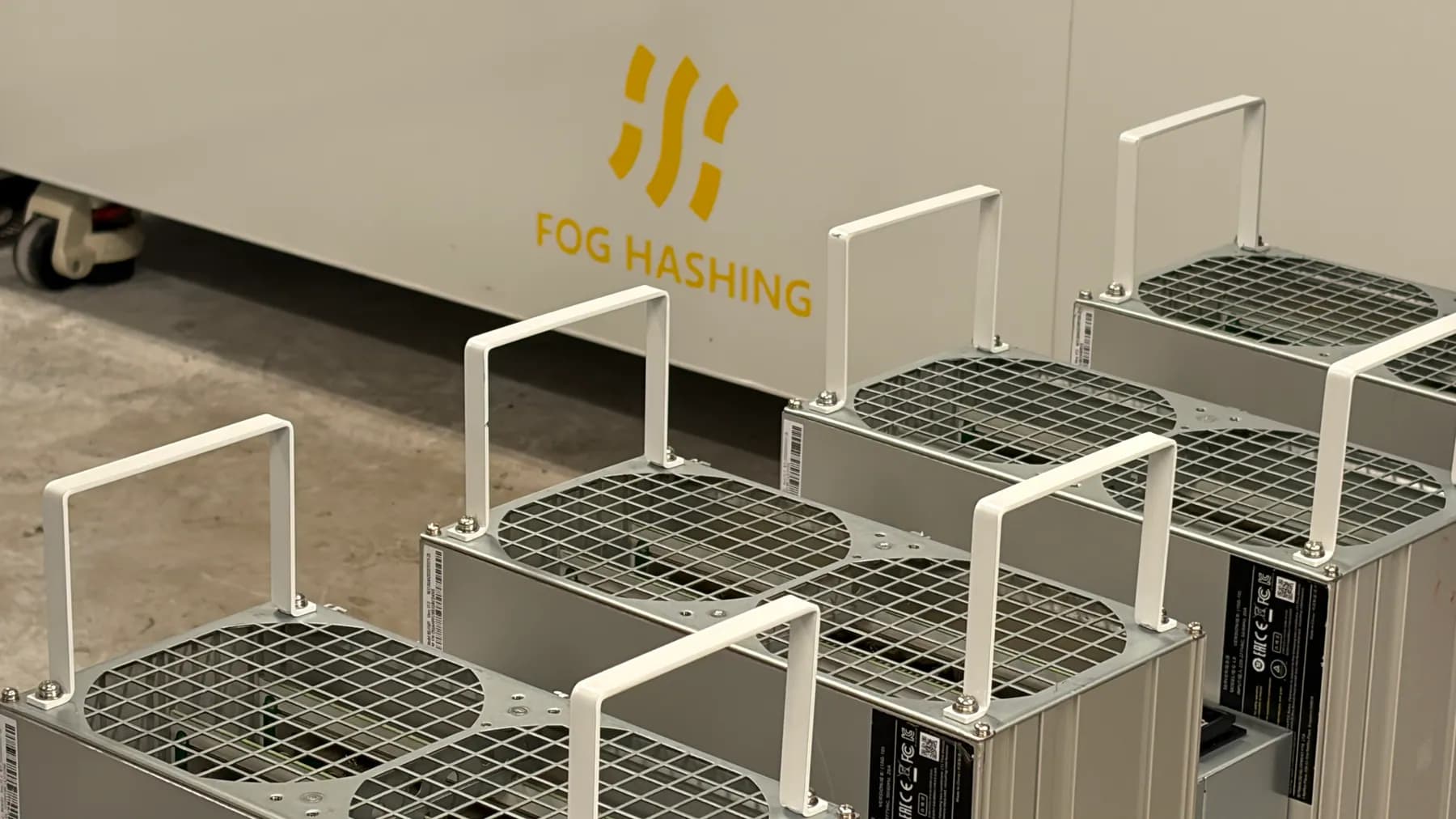
Service-ready layout
Connections and working clearances are retained for inspection and maintenance.
Project request
Plan Your Mining Heating Project
Share your electricity price, current heating cost, building type and target heat use. We will suggest a realistic ASIC heating direction before equipment is selected.
A practical first review, built around the site rather than a hardware sales target.
Useful heat first
Thermal demand before miner count.
Controls and safety
Power, airflow and access included.
Estimate, not promise
Economics stay assumption-based.