
Deploy ASIC Capacity With Mining Containers
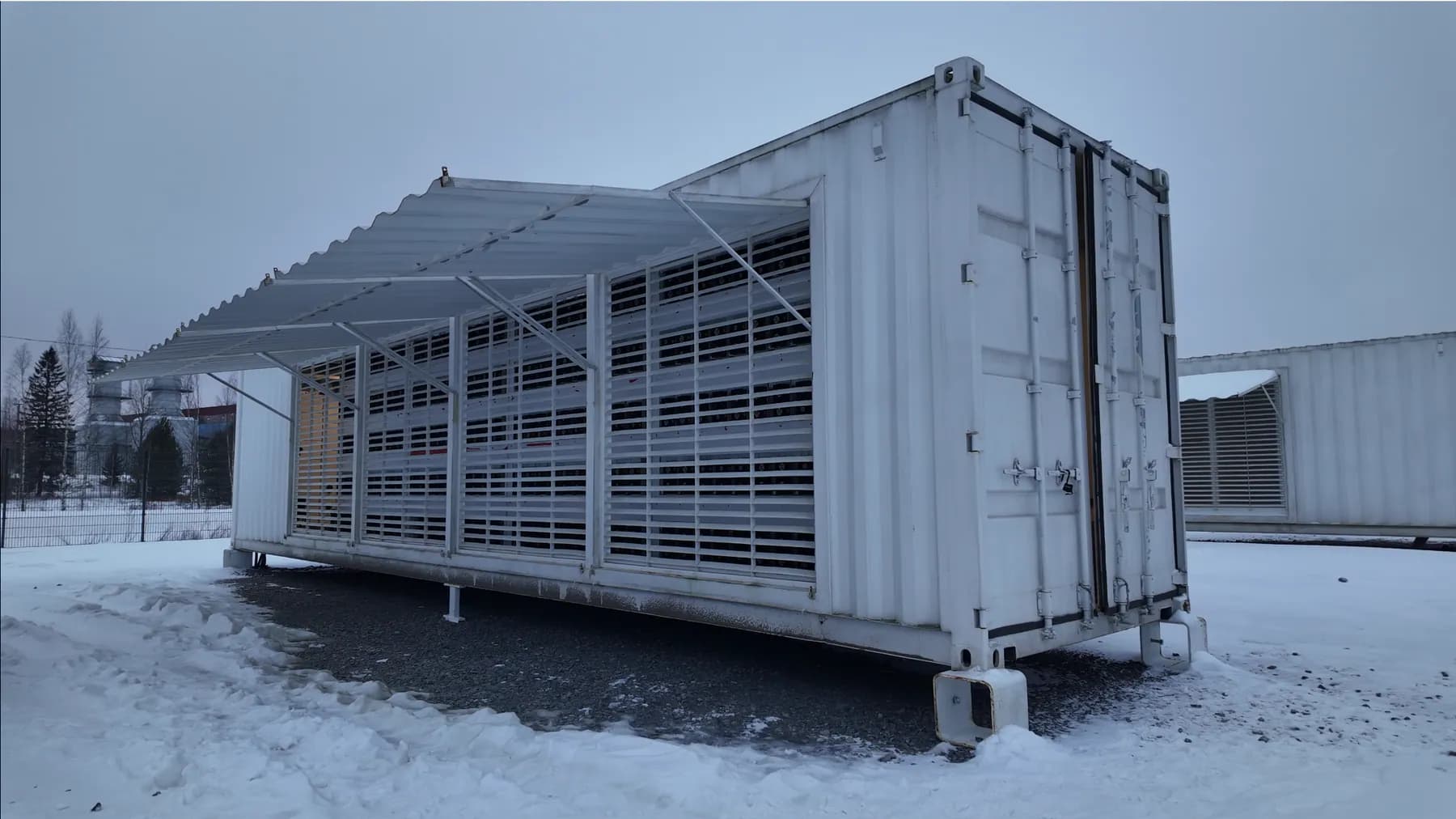
Plan modular mining capacity with electrical distribution, airflow or liquid cooling, monitoring and service access designed around the target site.
- 01
Modular capacity
Container scope can be phased around available power and deployment priorities.
- 02
Cooling planned
Airflow, filtration, climate and miner density are considered together.
- 03
Serviceable layout
Access, monitoring and maintenance routes are included in the concept.
Who it is for
A Container Must Fit The Power Site, Climate And Operating Team
The strongest project route is the one that matches both the operator and the constraints that can stop deployment.
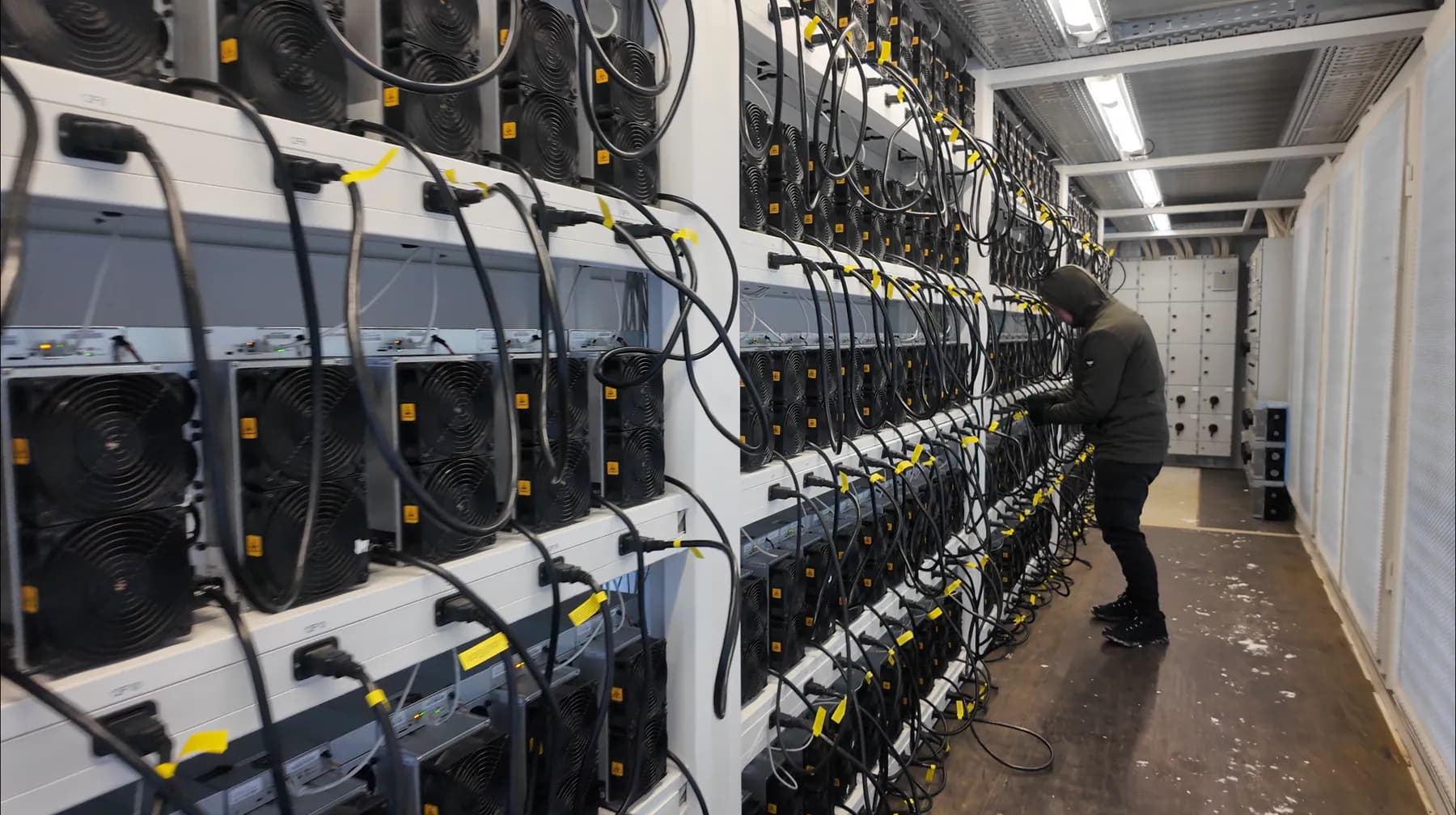
Serviceable by design
Capacity is only useful when technicians can operate it safely.
Rack density, electrical distribution, cooling, alarms and service clearances are designed together so the container can be commissioned and maintained as infrastructure.
Energy sites
Solar, wind and industrial locations that need a modular mining load.
Fleet operators
Teams moving or expanding ASIC capacity without building a permanent mining hall first.
Project developers
B2B operators needing a repeatable infrastructure unit for phased deployment.
Constraint to resolve
Unplanned heat rejection
Dense ASIC loads need engineered airflow, filtration or liquid cooling.
Constraint to resolve
Power distribution risk
Switchgear, cabling and protection must match miner count and local requirements.
Constraint to resolve
Poor service access
A container must support safe maintenance, monitoring and equipment replacement.
What is included
One Container Scope From Incoming Power To Monitoring
ForMiners coordinates the equipment inside the module and the site interfaces required around it.
Capacity and load model
We match miner quantity to available power, diversity assumptions and expansion plans.
Power and miner capacity model
Container configuration
Rack layout, electrical distribution, airflow and controls are planned as one system.
Rack and cooling configuration
Site interface
Foundations, utility connection, networking, drainage and access requirements are documented.
Documented site interfaces
Monitoring and service plan
Operating roles, alarms and maintenance access are defined before commissioning.
Monitoring and service route
Technical considerations
Technical Decisions Before A Commercial Commitment
The proposal becomes useful when the site, equipment and operating responsibilities are explicit.
Electrical design
Incoming supply, protection, distribution and miner density must be coordinated.
Cooling route
Ambient climate, filtration, airflow, noise and heat strategy influence the configuration.
Site interfaces
Foundations, drainage, networking, security and service clearances remain site-specific.
Process
From Available Megawatts To Commissioned Modular Capacity
- 1Project step
Assessment
We review power, site access, climate, miner models and target quantity.
Site constraints confirmed
- 2Project step
Planning
Container size, cooling route, electrical distribution and service clearances are developed.
Container architecture selected
- 3Project step
Proposal
The equipment scope, site interfaces and commercial assumptions are presented for approval.
Interfaces and scope approved
- 4Project step
Deployment
The approved container and supporting infrastructure are delivered and commissioned.
Module commissioned
- 5Project step
Monitoring and support
Operating data, alarms and service needs are handled under the agreed support scope.
Operations and alarms handed over
Deliverables
A Decision-Ready Project Package
The output gives the client, local contractors and the ForMiners team one practical basis for approval and deployment.
Container specification
Capacity, rack, electrical, cooling and monitoring scope.
Ready for technical and commercial review
Site interface schedule
Utility, foundation, access and communications requirements.
Ready for technical and commercial review
Commissioning and support plan
Testing, handover, alarms and service responsibilities.
Ready for technical and commercial review
Calculator teaser
Estimate container capacity
Turn usable power into a realistic container capacity range.
Compare available power, miner model, cooling type and target quantity before requesting a proposal.
Estimates support planning; final scope is confirmed during project review.
Real deployment work
Container Infrastructure From Exterior To Commissioning
Owner-provided project photographs show the practical work around ventilation, power distribution, equipment access and site handover.
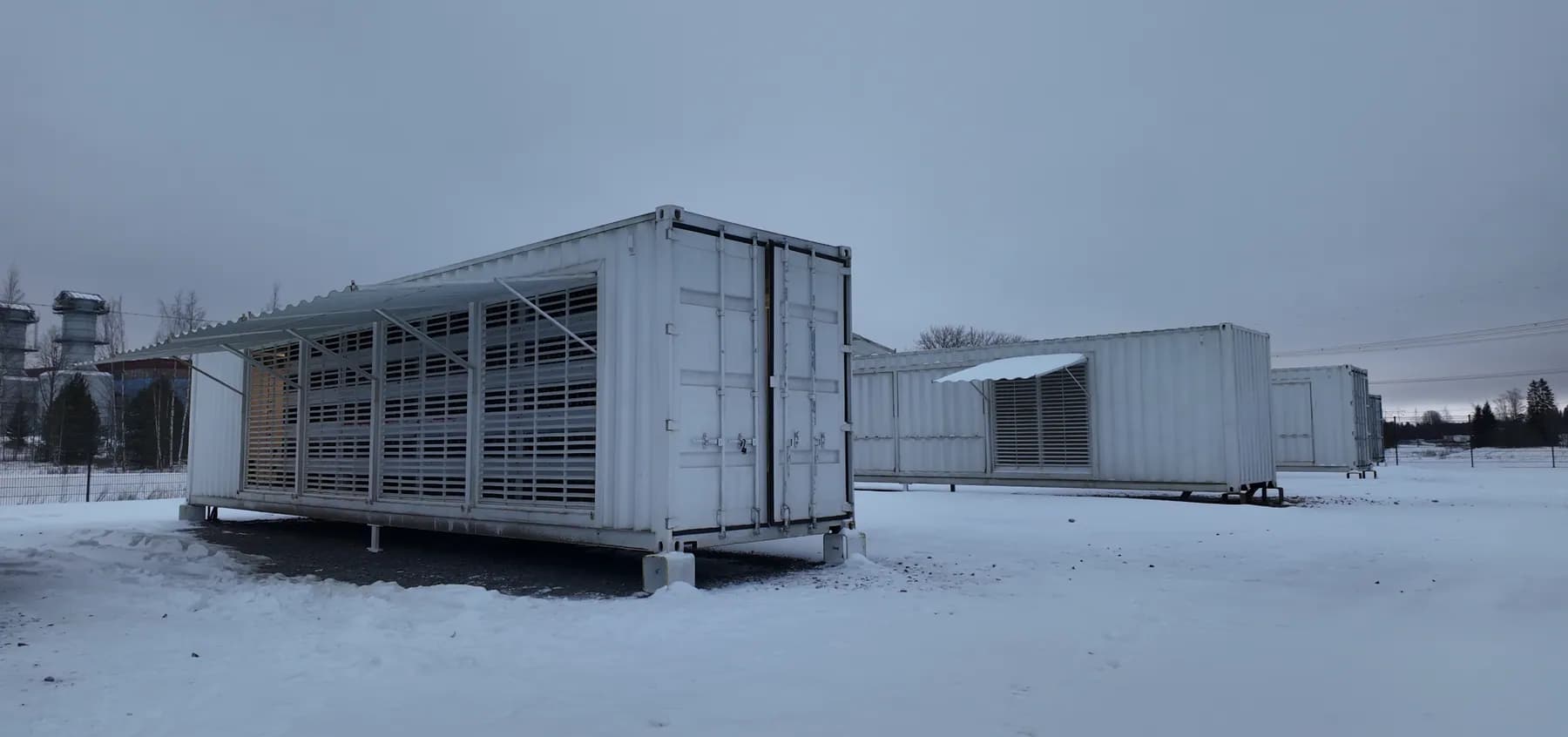
Site integration
The container is only one part of the project: access, power and surroundings are reviewed together.
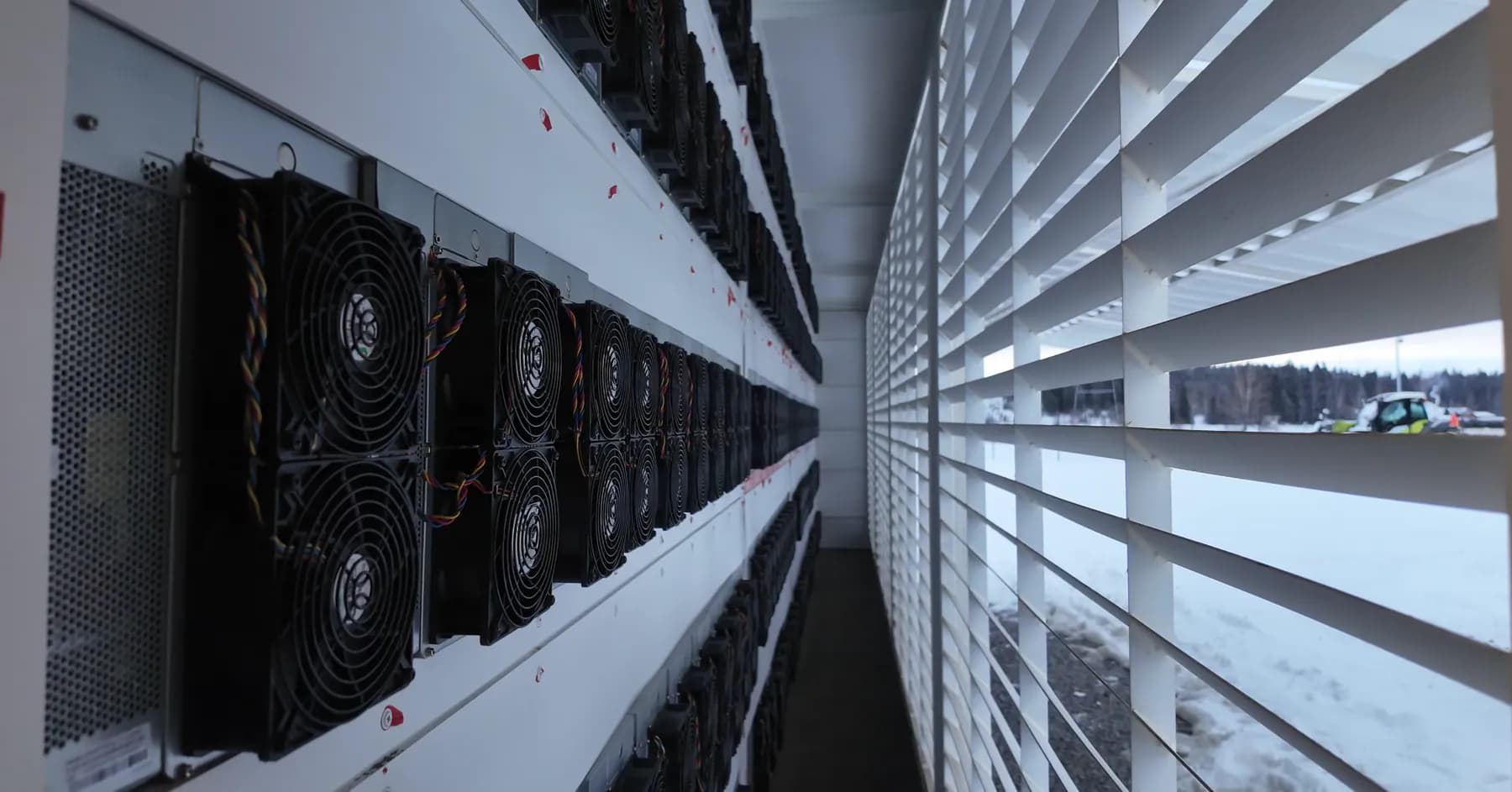
Designed airflow
Miner density is coordinated with intake and exhaust capacity.
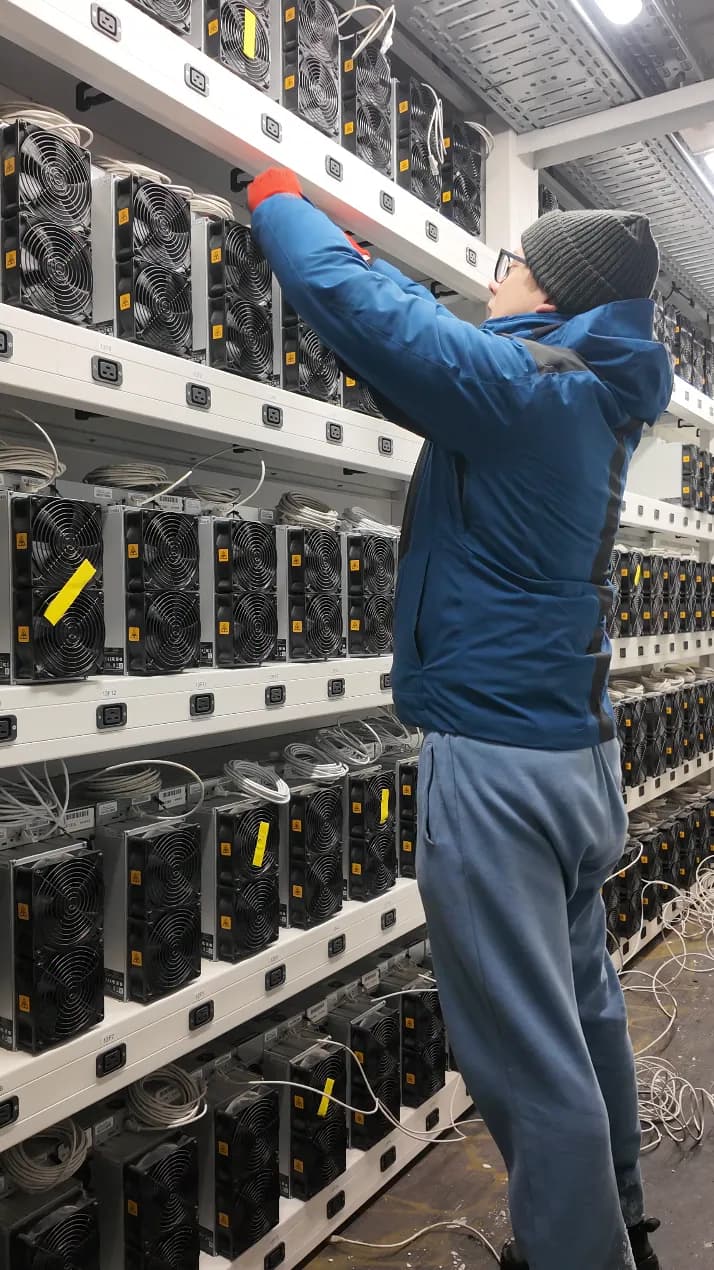
Maintenance access
Service routes remain accessible after the equipment is installed.
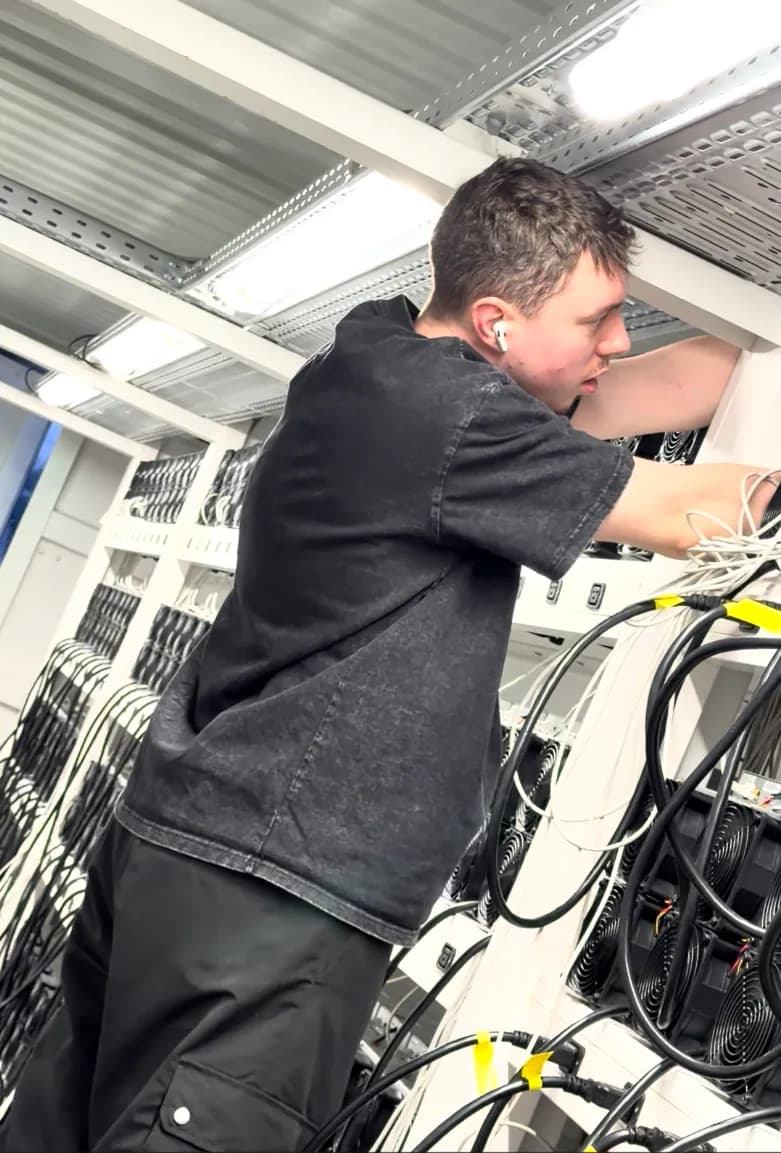
Commissioning
Hardware, network and facility conditions are checked before operating handover.
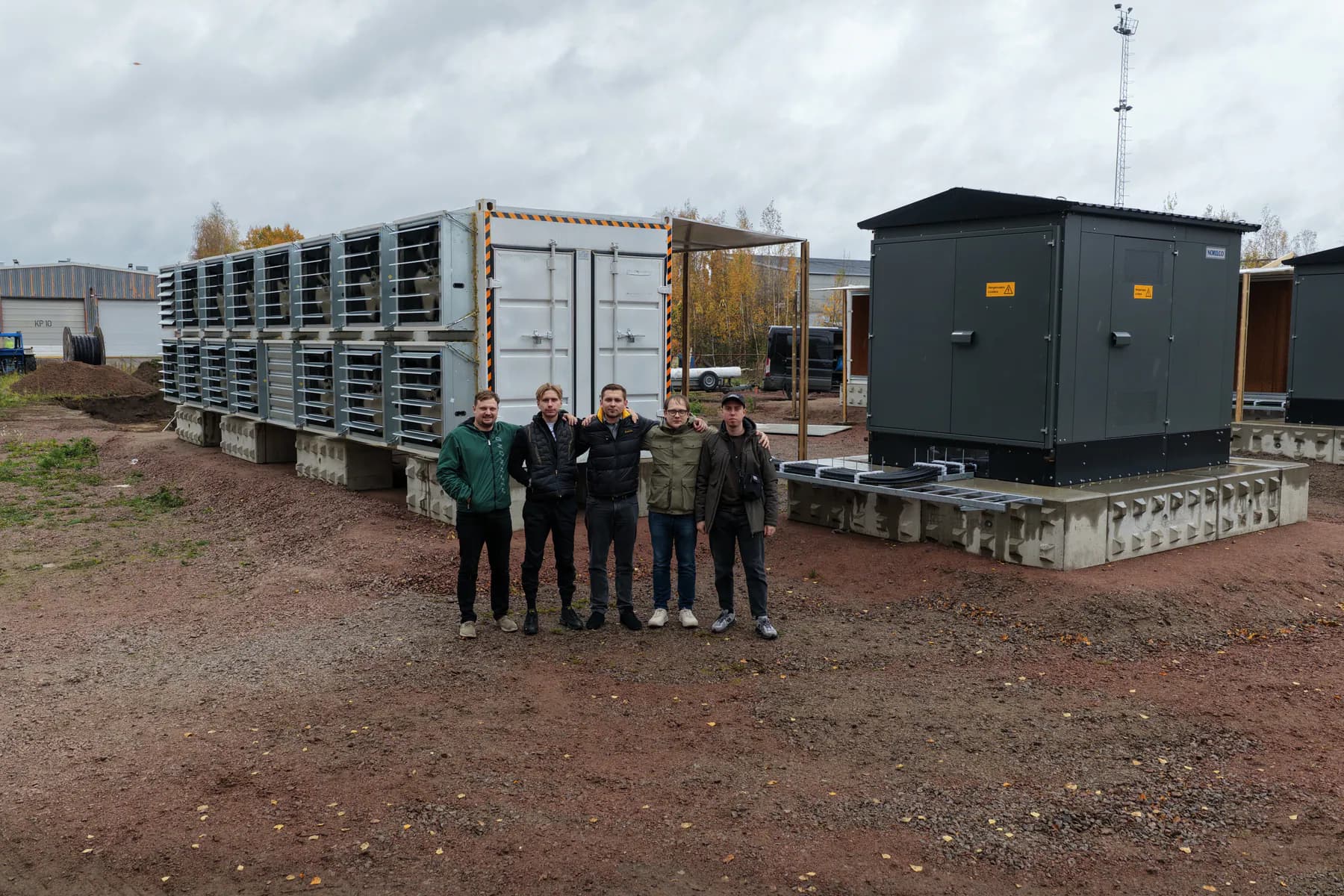
Project coordination
A single project scope connects the site owner, contractors and mining equipment plan.
FAQ
Common questions
How many miners fit in a container?
Can a container support hydro or immersion systems?
Is the utility connection included?
Project request