
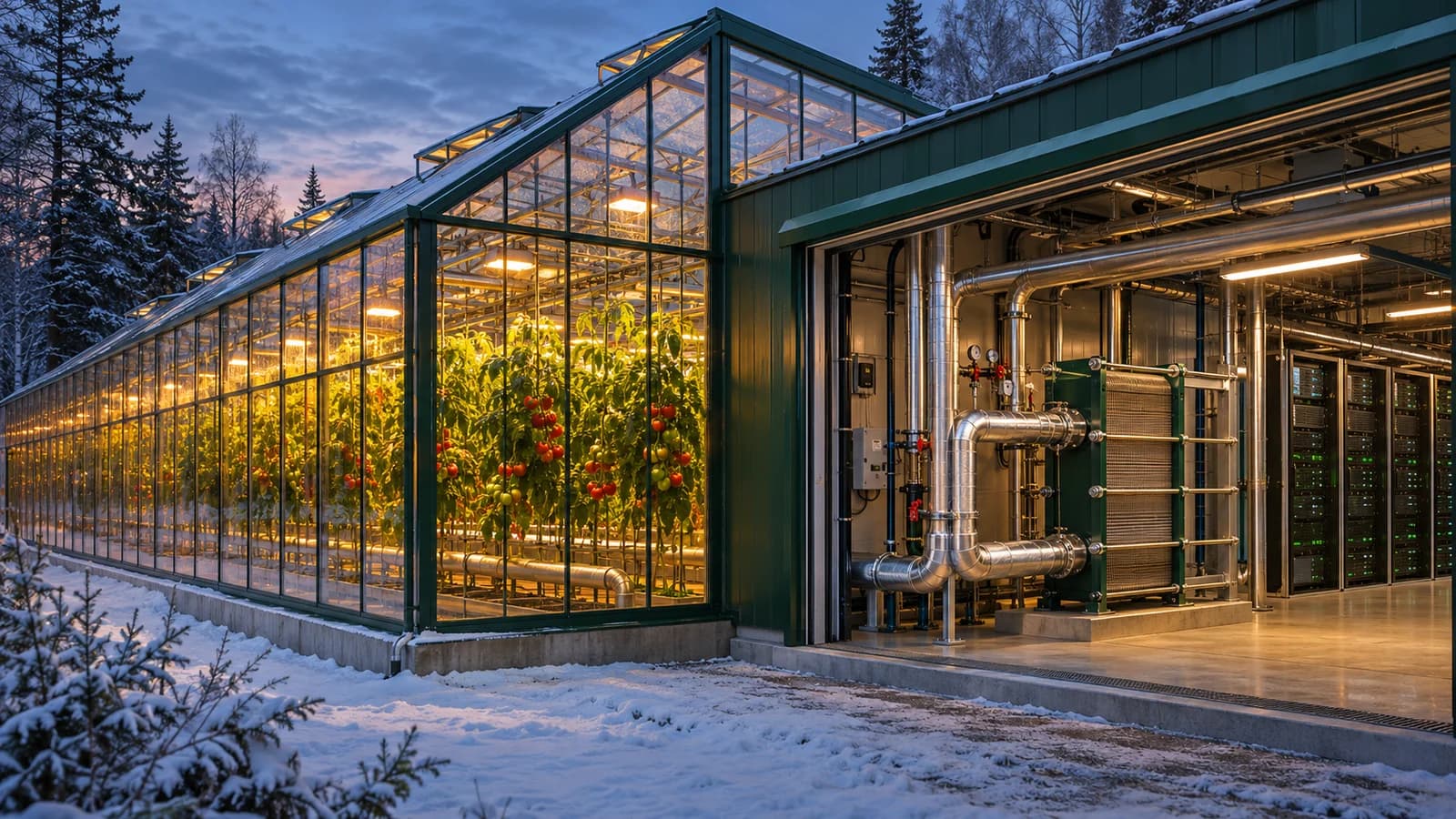
Heat from mining equipment can become a useful input for greenhouse production. Canaan’s district heating announcement offers an industrial example. For companies in Estonia, Latvia and Lithuania, the immediate question is how such a system would fit their heat demand, electricity contract and existing heating equipment.
What Canaan actually announced
Canaan published The district heating opportunity on 20 May 2026, following its announcement the previous day. The manufacturer reported around 2 MW already operating in a Nordic heating network and an additional 6 MW order. The full configuration was therefore an expansion to approximately 8 MW, rather than confirmation that all 8 MW were already running. These are the manufacturer’s figures, not ForMiners measurements.
The relevance is the integration: computing equipment supplies a nearby heat consumer. A greenhouse is a different application from a municipal network, but both require a suitable temperature, reliable circulation and an agreed operating schedule.
Canada and Sweden: actual applications
Canaan and Bitforest announced a 3 MW greenhouse pilot in Manitoba on 6 January 2026: 360 Avalon A1566HA-460T units in four liquid-cooling modules. The closed loop preheats water entering existing electric boilers. Canaan estimated 90% heat recovery and described water above 75°C; the release explicitly says actual performance will be confirmed after full operation. This is a pilot design, not independently measured savings. In Boden, Sweden, the municipality describes a greenhouse already using surplus server heat for year-round cultivation. The practical lesson is to connect computing to an existing agricultural heat demand.
Why Baltic electricity prices matter
AST’s October 2026 market review reports average wholesale prices of €82.07/MWh in Estonia, €112.56/MWh in Latvia and €113.39/MWh in Lithuania. Compared with September, the increases were 9.48%, 3.57% and 4.42%, respectively. These are exchange-area averages, not a greenhouse’s final electricity tariff: network charges, taxes and contractual conditions must be added.
This rise makes energy planning more relevant. It does not automatically improve mining economics. An installation consuming expensive electricity also becomes more expensive to operate, so recovered heat must have a real use and a credible replacement value.
Design the heating system around the crop
Begin with the greenhouse, not a miner catalogue. Required temperatures depend on the crop, cultivation schedule, building envelope and existing distribution system. Root-zone pipes, air heaters and hot-water circuits can have different requirements. Size the solution for useful heat demand rather than the largest available electrical connection.
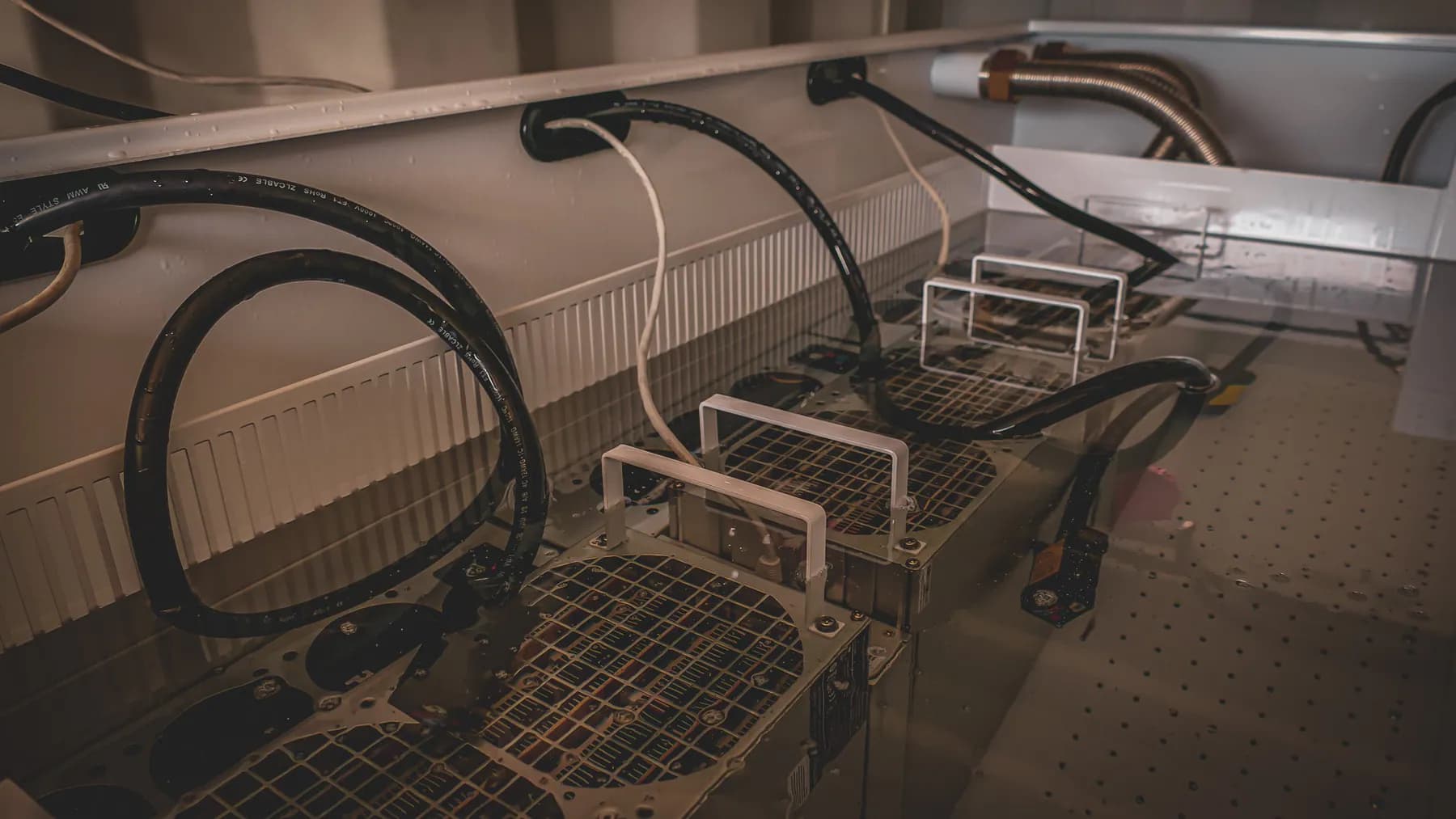
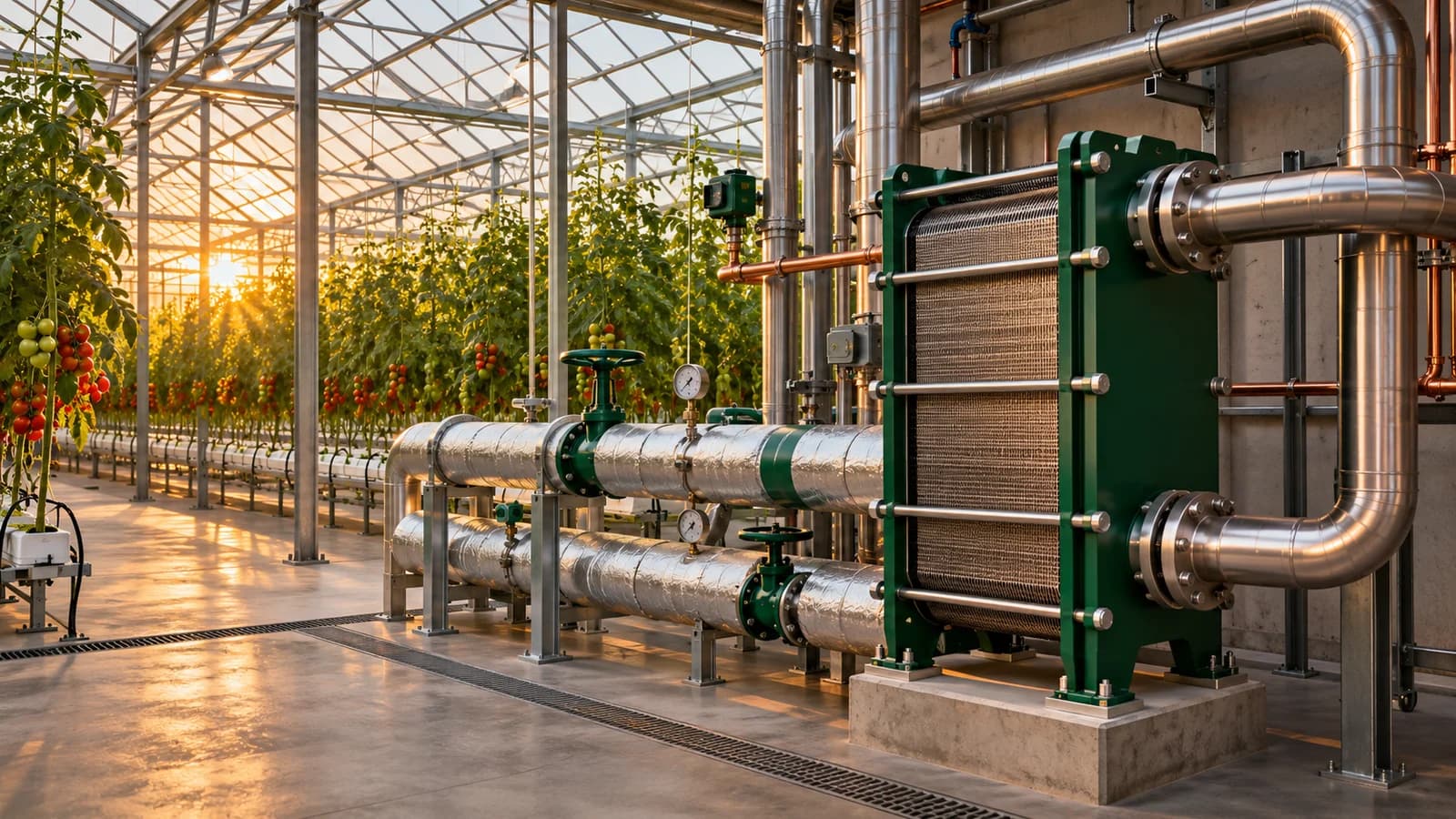
A liquid loop can transfer recovered heat through a heat exchanger to a separate greenhouse circuit. Buffer storage can help bridge short interruptions, but cannot replace adequate backup heating. For air-based designs, assess airflow, dust, humidity and noise. Crop protection and stable temperature control remain the primary operating requirements.
Calculate useful heat and mining together
Assess electricity consumption, mining receipts after pool and firmware fees, useful recovered heat, maintenance and capital cost as separate lines. Value heat against the heating method it actually replaces. Avoid counting all electrical consumption as useful heat: exchanger losses, distribution losses, ventilation and periods without demand reduce the recoverable value.
For a 100 kW installation running 24 hours, electricity use is 2,400 kWh/day. With 80% useful recovery, heat delivered is 1,920 kWh/day. The scenarios below show electricity cost before mining income, maintenance and investment. Divide by useful heat to compare with an electric boiler. At €0.075/kWh, the heat-only cost is €0.09375/kWh of useful heat. Mining receipts must cover the gap and other costs; this is why heat reuse must be calculated rather than assumed profitable.
- 0.075 €/kWh × 2,400 kWh = 180 € / 24 h
- 0.12 €/kWh × 2,400 kWh = 288 € / 24 h
- 0.20 €/kWh × 2,400 kWh = 480 € / 24 h
Flexible operation needs a heating fallback
A variable exchange tariff can favour running during cheaper intervals and reducing load during expensive ones. The control rule must also respect greenhouse temperatures, equipment limits and available stored heat. A cheap electricity interval is not useful if there is nowhere to deliver the heat; an expensive interval may still require the backup heater to protect the crop.
Compare the proposal with the existing boiler and a suitable heat-pump option. Heat pumps and mining heaters have different electricity-to-heat characteristics. Include pump power, maintenance access, electrical protection, alarms and the response to a failed miner or circulation pump before choosing equipment.
ForMiners greenhouse projects in the Baltics
ForMiners works on greenhouse heating projects in the Baltic region. In our project discussions, interest in using mining heat has become particularly strong as businesses look for answers to higher exchange electricity prices. This describes our commercial experience, rather than a statistical claim about the entire regional market.
We invite local growers, greenhouse operators and other businesses with a steady heat requirement to discuss their sites. Scrypt equipment can be considered alongside Bitcoin mining equipment, but the choice depends on the heat circuit, available power, equipment cost and current mining assumptions. No algorithm guarantees a better result at every site.
What to send for an initial discussion
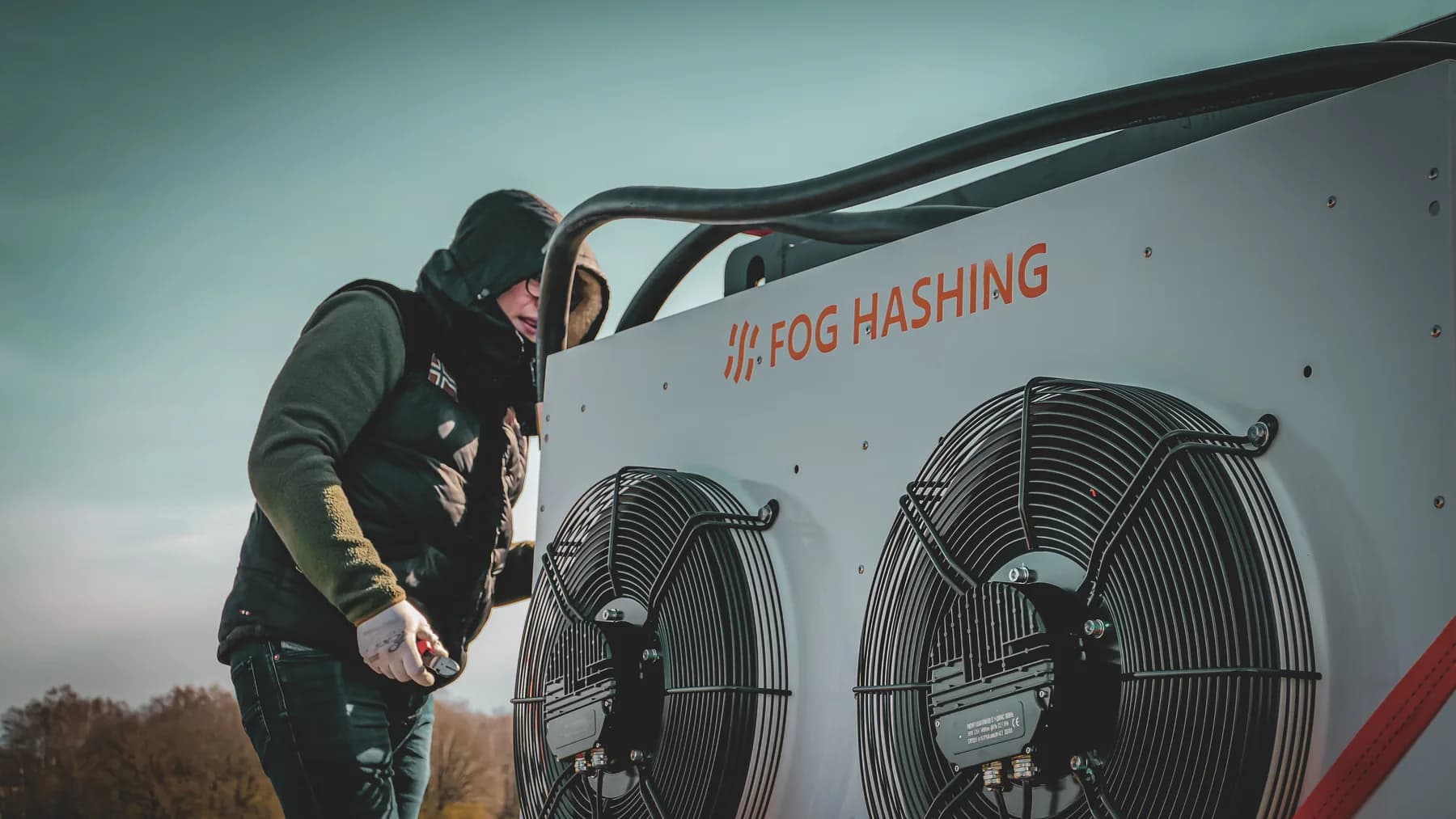
Send the site location, greenhouse area, crop and operating months, current heating source, required supply and return temperatures, and electricity connection capacity. Recent electricity and heating bills are more useful than a single annual average. If available, include interval consumption data and a simple drawing of the heating circuit.
ForMiners can advise on the integration concept and the information needed for a project assessment. Start through our greenhouse heating page or contact form. Installation scope, equipment, budget and expected operating results must be agreed for the particular site; this article does not offer a standard payback period.
Start with the site’s heat demand
The opportunity is to use electricity for computing while recovering heat that a greenhouse genuinely needs. Baltic companies are welcome to contact ForMiners for advice on whether this approach fits their existing heating system and energy contract.
Project request
Request a greenhouse heating project
Tell us about your site. We will review the information and contact you to discuss a suitable solution.
Required fields are marked with an asterisk.
Sources and further reading
Sources support the planning method; project-specific engineering and local compliance review are still required.