
01
Heat demand
Demand profile
Map required temperatures, operating periods, seasonal baseload, backup heating and control priorities.
- Target temperatures
- Operating hours
- Backup heating
Audit output
Seasonal load profile
ForMiners evaluates how ASIC thermal output can support buildings, warehouses, greenhouses and industrial loads when temperature, airflow, controls and seasonal demand are planned as one system.
Demand-led
Start with useful heat
System fit
Match cooling and site
Risk-aware
Model values separately
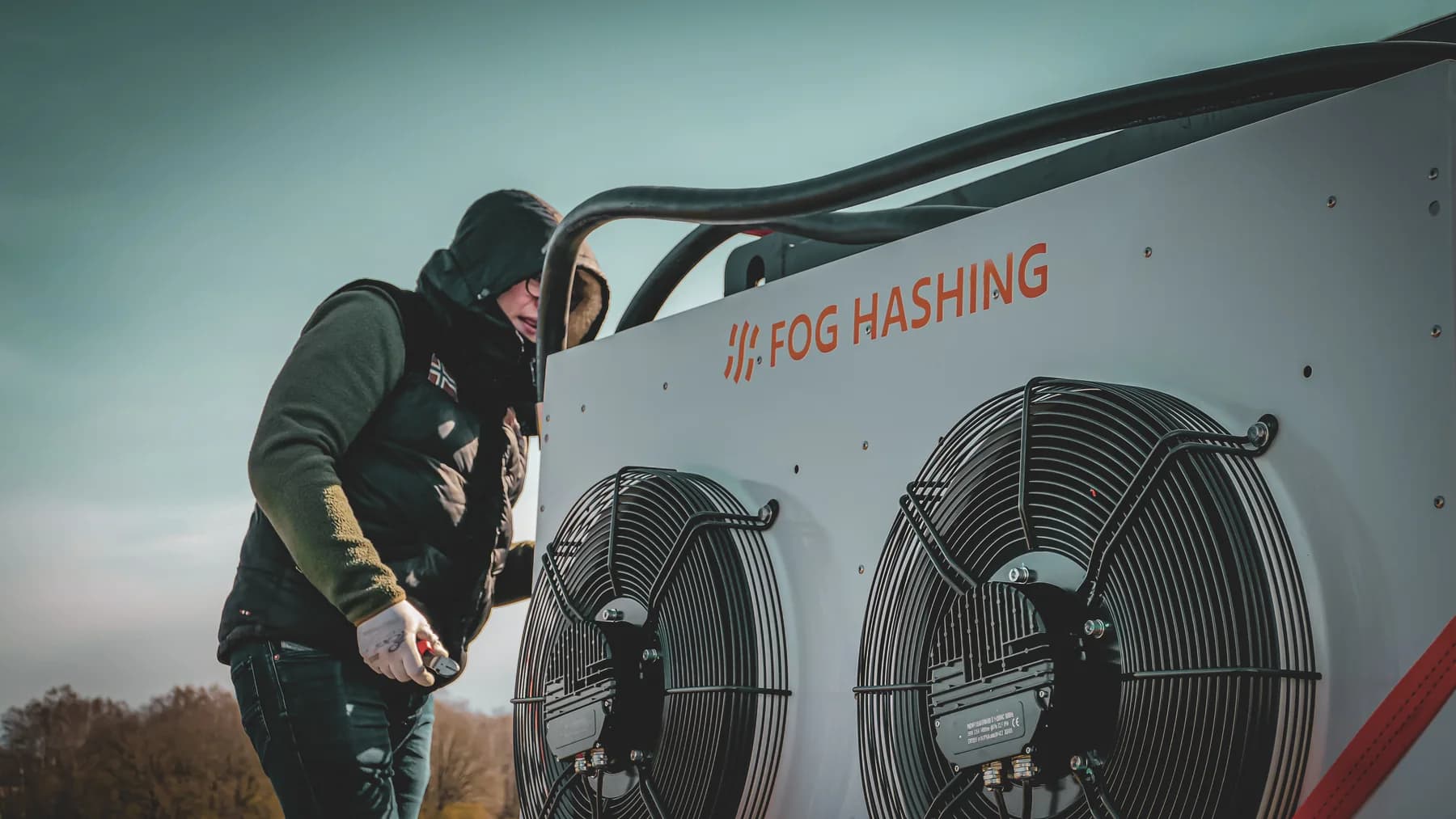
Real field integration
Cooling equipment, heat transfer and service access are reviewed as one operating system.
Who it is for
Useful heat is defined by the load that can safely absorb it, not only by miner power draw.
 Building heat
Comfort demand, acoustics and ventilation
Assess compact heating where equipment placement, acoustics and ventilation can be engineered properly.
Explore mining heating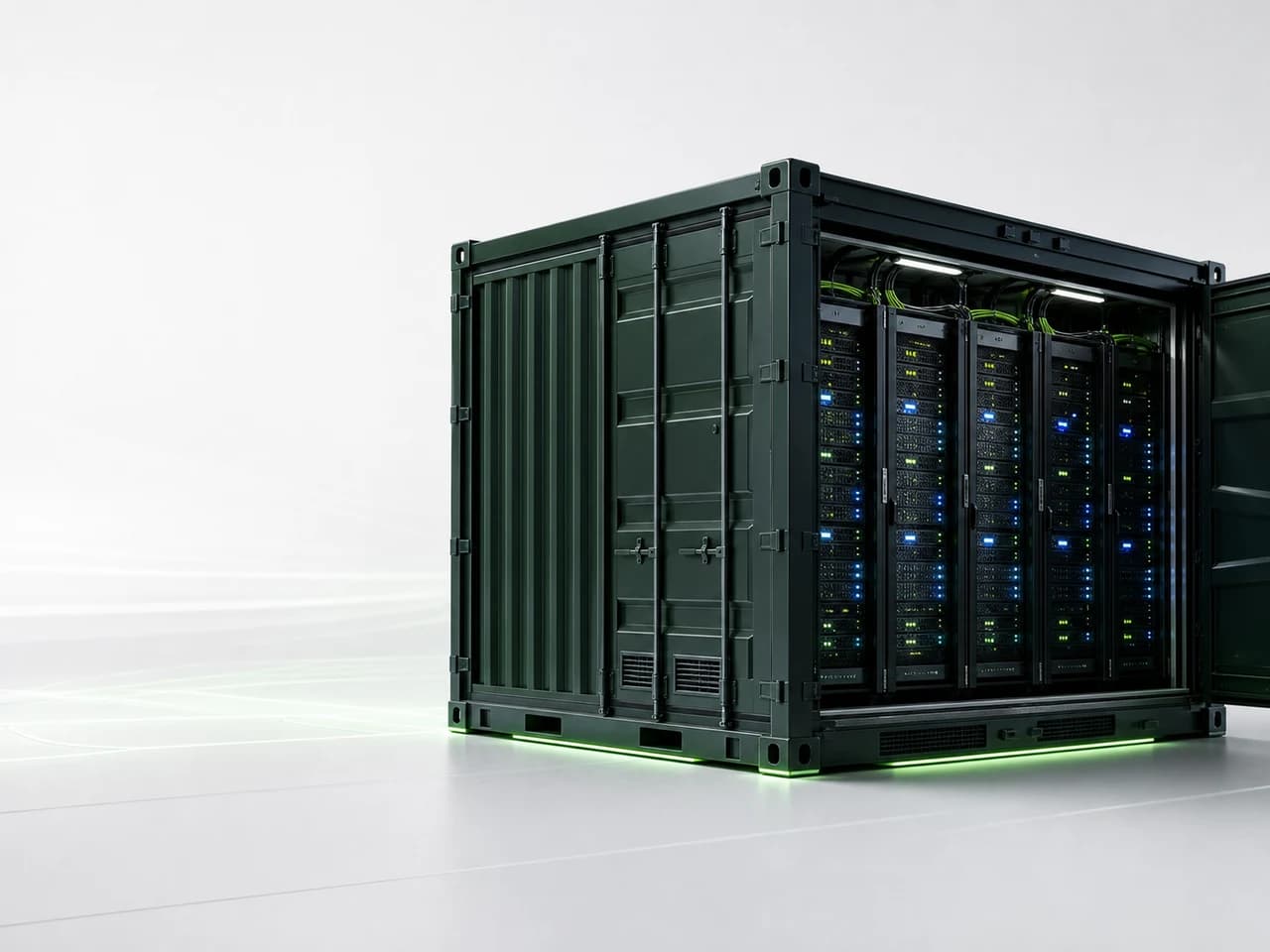 Baseload offset
Larger spaces with a seasonal heat load
Offset part of the colder-season baseload in larger spaces with planned airflow and heat distribution.
Review warehouse deployment Grow environment
Crops, humidity and controlled distribution
Match recoverable heat with crop, humidity, ventilation and seasonal temperature requirements.
Explore greenhouse heating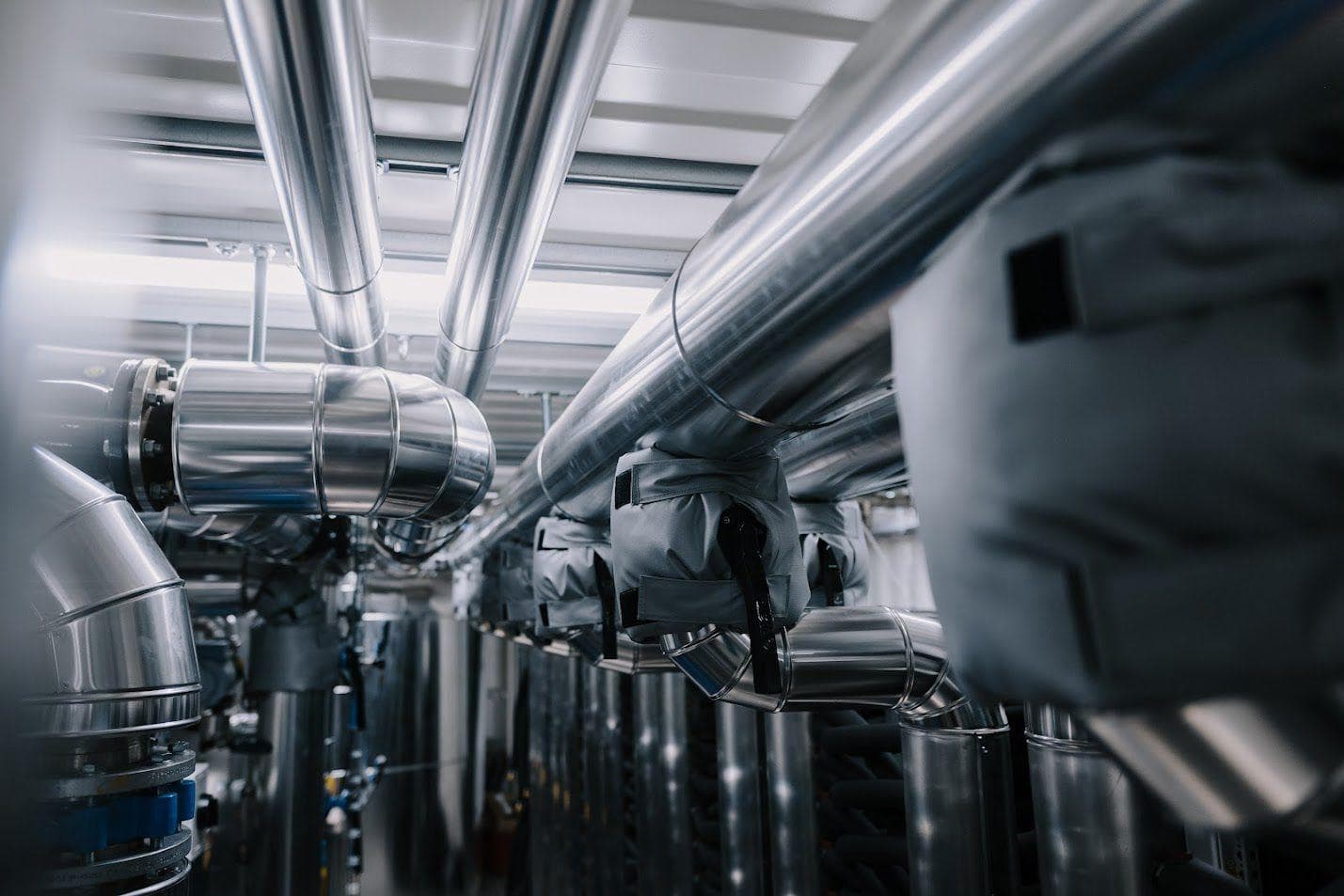 Process support
Existing loads, interfaces and service access
Evaluate whether low-grade continuous heat can support an existing process or facility load.
Review industrial projectsThermal value chain
Nearly all ASIC electrical input becomes heat. The usable share is determined by transfer losses, delivery temperature, operating hours and actual site demand.
Electrical input
Continuous ASIC load
Recoverable heat
Cooling and transfer route
Useful demand
Building or process load
Engineering rule of thumb
About 1 kW of ASIC electrical load becomes about 1 kW of thermal output before distribution and transfer losses. Useful heat is calculated separately.
Technical scope
A useful proposal connects heat demand, equipment, controls and operating economics before hardware is committed.
Thermal infrastructure
Pipework, temperature, controls, backup heat and service access define whether thermal output can be used reliably.
Heat demand
Map required temperatures, operating periods, seasonal baseload, backup heating and control priorities.
Audit output
Seasonal load profile
Transfer route
Compare air, hydro and immersion-style options against noise, maintenance and heat delivery needs.
Audit output
Cooling and delivery concept
Site readiness
Define continuous load, protection, ventilation, monitoring, failover and service access before deployment.
Audit output
Electrical and safety scope
Commercial model
Model mining revenue and heating offset separately so neither is presented as guaranteed value.
Audit output
Separate value assumptions
Project route
Each stage produces a decision or deliverable, so the project does not advance on assumptions alone.
Heat reuse workflow
Collect site power, tariff, heat demand, temperatures, operating hours and building constraints.
Gate complete
Site inputs confirmed
Heat reuse workflow
Estimate recoverable and useful heat without treating every generated kWh as automatically usable.
Gate complete
Useful heat range modeled
Heat reuse workflow
Define miner count, cooling, heat transfer, controls, maintenance access and backup operation.
Gate complete
Integration route selected
Heat reuse workflow
Confirm equipment scope, responsibilities, assumptions and a staged deployment path.
Gate complete
Written scope prepared
Heat reuse workflow
Validate temperatures, operation, safety and useful heat under real site conditions.
Gate complete
Operating results reviewed
Start with site data
Share the building type, available power, current heating system and seasonal demand. ForMiners will identify the next practical engineering step.
Heat reuse evidence
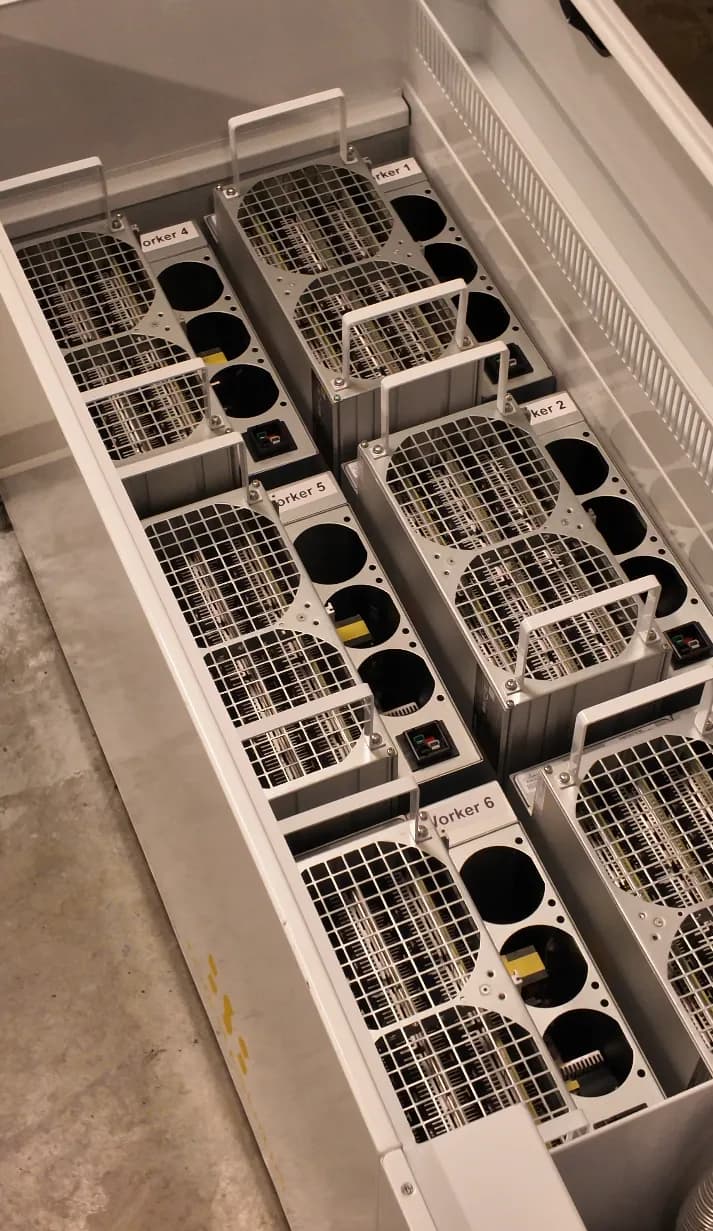
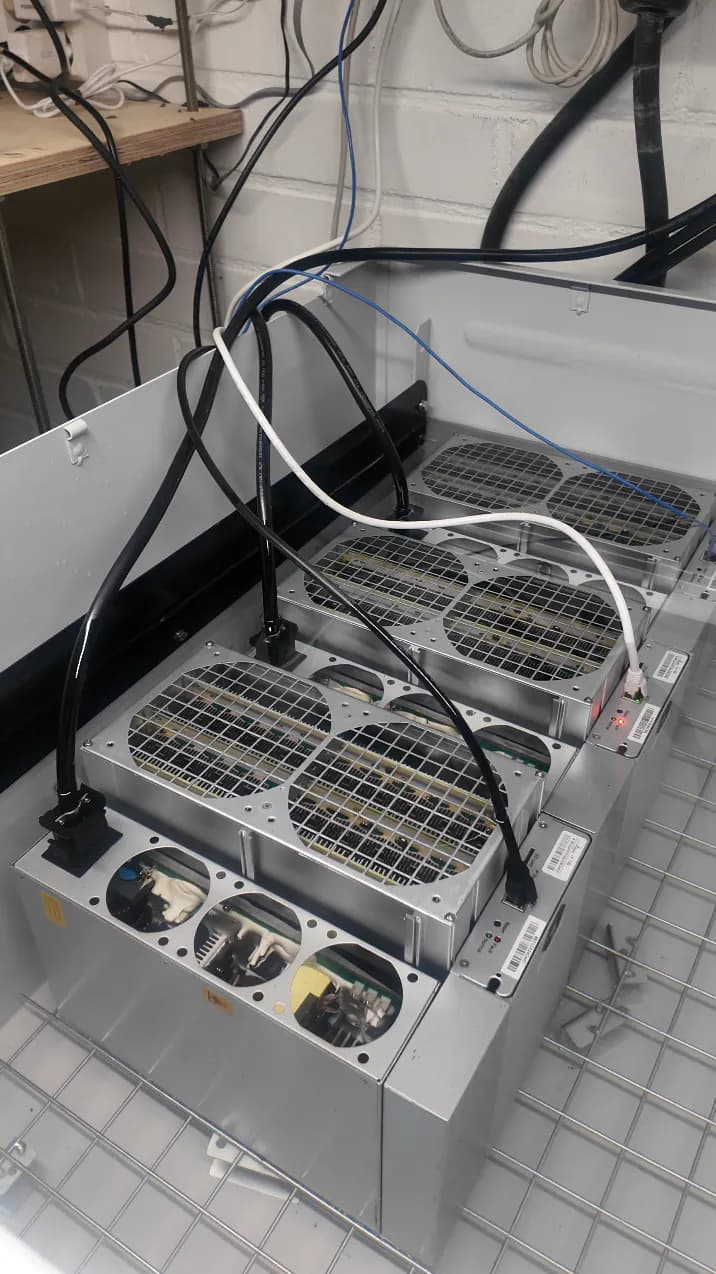
These installations show why recoverable mining heat must be matched with fluid handling, heat exchange, controls and a site that can absorb the output.
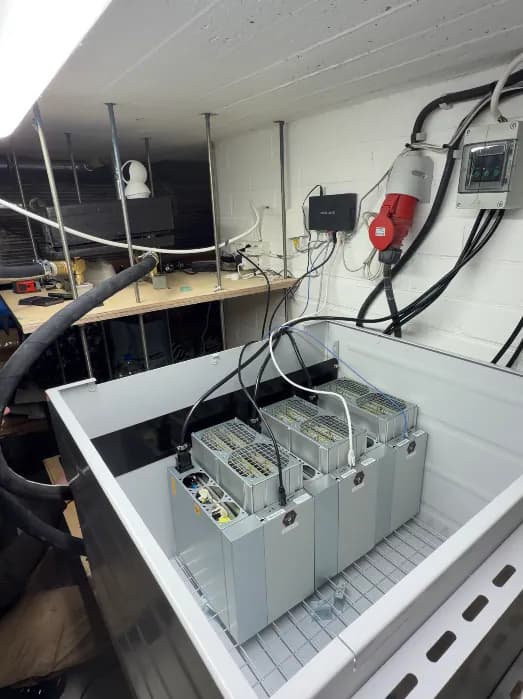
Immersion heat source
The miner circuit creates a controllable thermal source for a properly designed secondary loop.
Multi-miner load
Quantity and power determine the available thermal output and required exchanger capacity.
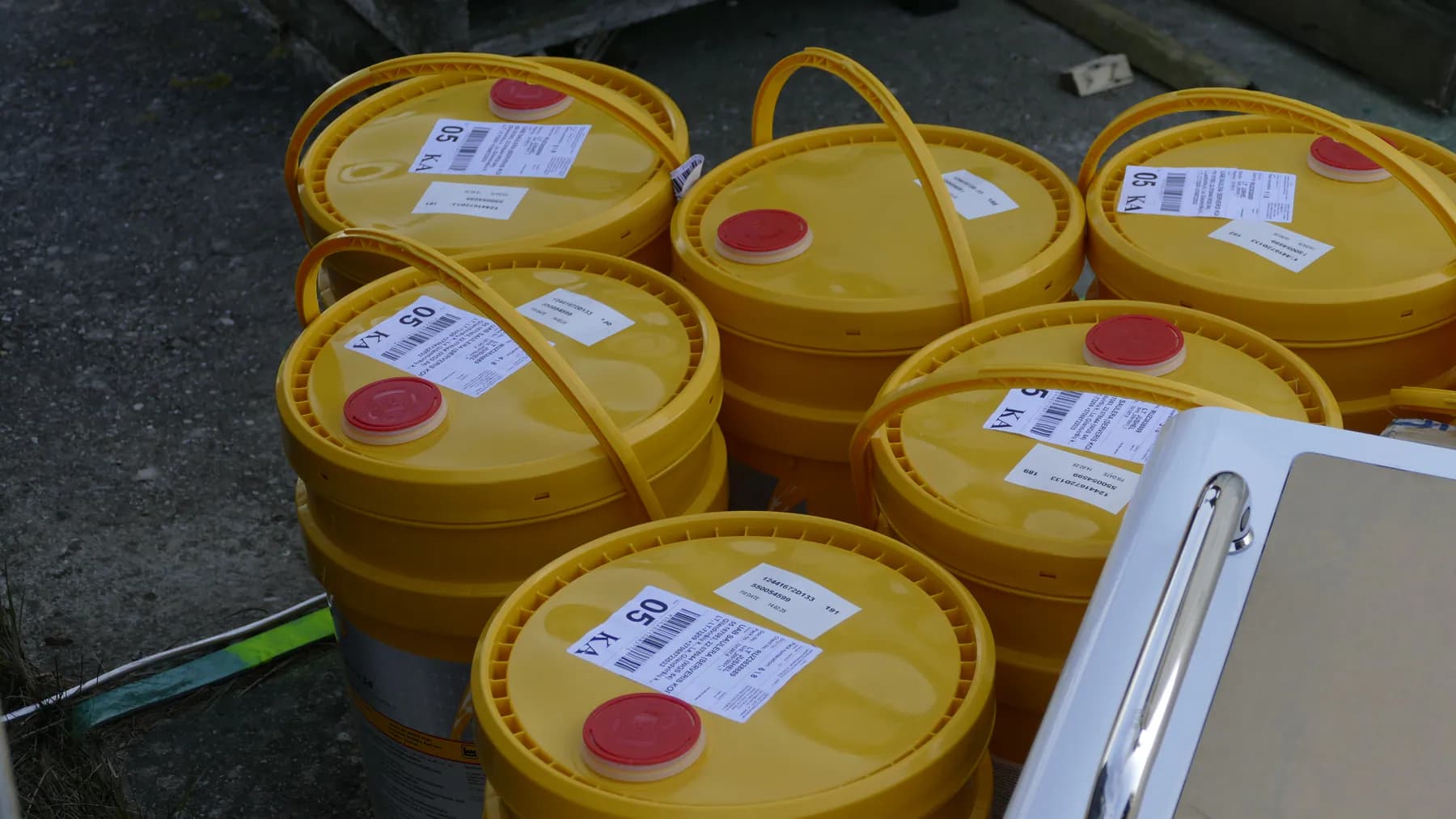
Equipment preparation
Miner compatibility and condition are checked before immersion deployment.
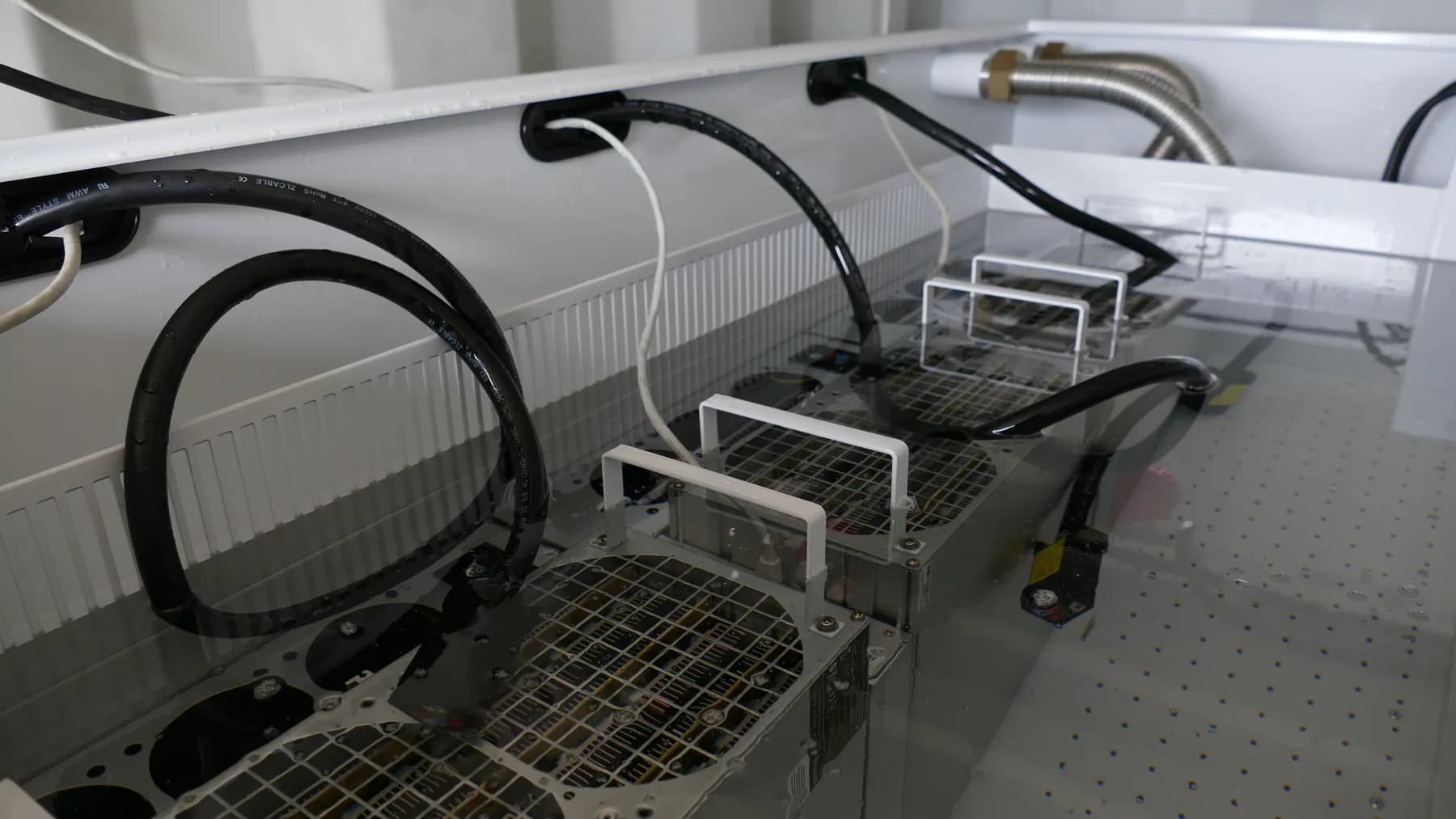
Fluid infrastructure
Fluid selection, containment and service procedures remain part of the operating scope.
Field installation
Outdoor projects require weather, access and mechanical constraints to be addressed together.
FAQ